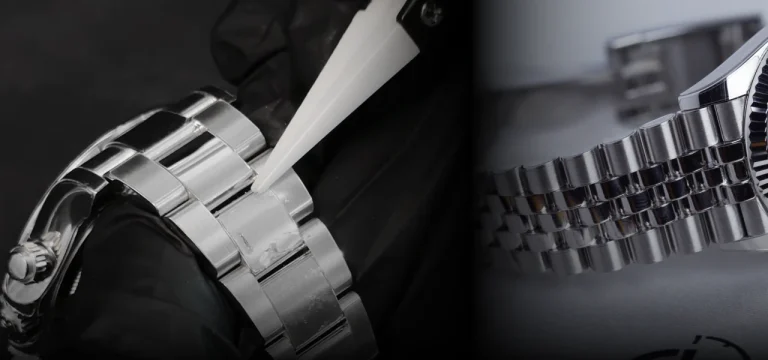


Watch protection film helps protect watch surfaces from micro scratches, scuffs and surface wear. However, excessive heat can affect both the protection film and its adhesive.
Normal everyday heat is generally not a concern for properly installed protective film. Prolonged exposure to excessive or concentrated heat may affect the film’s shape, appearance or adhesion.
The effect depends on the temperature, exposure duration, film material, adhesive properties and installation quality. These factors determine how watch protection film responds to heat.
Can Heat Damage Watch Protection Film
Yes. Excessive heat can potentially damage watch protection film, while normal temperatures encountered during everyday wear are generally not expected to cause problems for properly installed film.
Watches naturally experience temperature changes during daily use. Wearing your watch outdoors and moving into an air-conditioned building creates normal environmental temperature variations.
Prolonged or concentrated heat creates different conditions. A watch left inside a hot vehicle or close to a concentrated heat source experiences a different type of exposure from a watch worn outdoors on a warm day.
The intensity and duration of the exposure therefore matter more than whether the watch simply feels warm.
What Happens When Watch Protection Film Gets Too Hot
Excessive heat can affect the physical condition of the protection film and the adhesive bond underneath it.
Possible signs of a problem include:
- Edge lifting
- Bubbling
- Changes in adhesion
- Changes in film shape
- Reduced clarity
- Discoloration
- Film movement or displacement
These symptoms do not prove that heat caused the problem. Surface contamination, installation issues, impact, abrasion, repeated friction and film aging can produce similar changes.
The type of film and adhesive therefore matters when evaluating how the installation responded to heat.
How Does TPU Watch Protection Film React to Heat
TPU watch protection film can tolerate temperatures associated with normal everyday wear, but excessive heat can affect its physical properties depending on the formulation and exposure conditions.
TPU, or thermoplastic polyurethane, is a flexible polymer used in protection films because it conforms to surfaces while providing a barrier against cosmetic surface wear.
Not all TPU films respond to heat in the same way. Their heat resistance can vary depending on how the film is made, so one TPU product may have different heat limits from another.
What Determines TPU Heat Tolerance
TPU heat tolerance depends on the film formulation, exposure temperature, exposure duration and complete film construction.
Duration changes the nature of the exposure. Brief exposure to an elevated temperature is not equivalent to keeping the film at that temperature for several hours.
The installed protection film also functions as a system. The TPU layer has its own material properties, while the adhesive has separate properties that influence how securely the film remains attached.
What Temperature Can TPU Watch Protection Film Handle
There is no universal maximum temperature that applies to every TPU watch protection film.
Temperature limits depend on the TPU formulation, adhesive system and intended application. Manufacturer specifications for the exact film provide a more reliable reference than a generic TPU temperature threshold.
Application, storage and service temperatures may also represent different conditions. If the manufacturer documents a service-temperature range for the specific film and adhesive system, use that specification rather than a generalized TPU figure.
Can Excessive Heat Soften or Deform TPU Film
Yes. Excessive heat may alter the physical behavior of some TPU films and cause visible deformation. A heat-affected film may change shape or stop sitting uniformly against the watch surface. If the film visibly changes shape after unusual heat exposure, have it inspected rather than stretching, repositioning or pressing it back into place.
Does Heat Affect Self-Healing TPU Film
Self-healing properties do not make TPU protection film heat-proof.
Self-healing describes the ability of certain films to reduce the appearance of minor surface marks under appropriate conditions. It does not indicate resistance to excessive temperatures.
If a specific self-healing film uses controlled heat as part of its recovery process, follow the manufacturer’s instructions. Do not expose the watch to uncontrolled heat unless the product instructions specifically recommend it.
How Does Heat Affect Watch Protection Film Adhesive
Excessive or prolonged heat may affect the adhesive that bonds protection film to the watch surface. Changes in adhesion can contribute to lifting, peeling or bubbling.
The adhesive and protective film function as one installed system. The film may remain physically intact while the adhesive develops a problem around an edge, curve or another section of the watch.
Heat is one possible cause of adhesion problems. Surface preparation, contamination, installation quality, impact, friction and film age can also affect the bond.
Can Heat Cause Watch Protection Film to Lift or Peel
Yes. Excessive or prolonged heat can potentially contribute to edge lifting or peeling when it affects the film or adhesive bond.
Because lifting can also result from the other adhesion factors described above, a lifted edge alone does not identify heat as the cause.
Avoid picking, pulling or repeatedly pressing a lifted edge. These actions can worsen the separation or introduce contamination underneath the film. Have persistent lifting inspected by the installer.
Can Heat Cause Bubbles Under Watch Protection Film
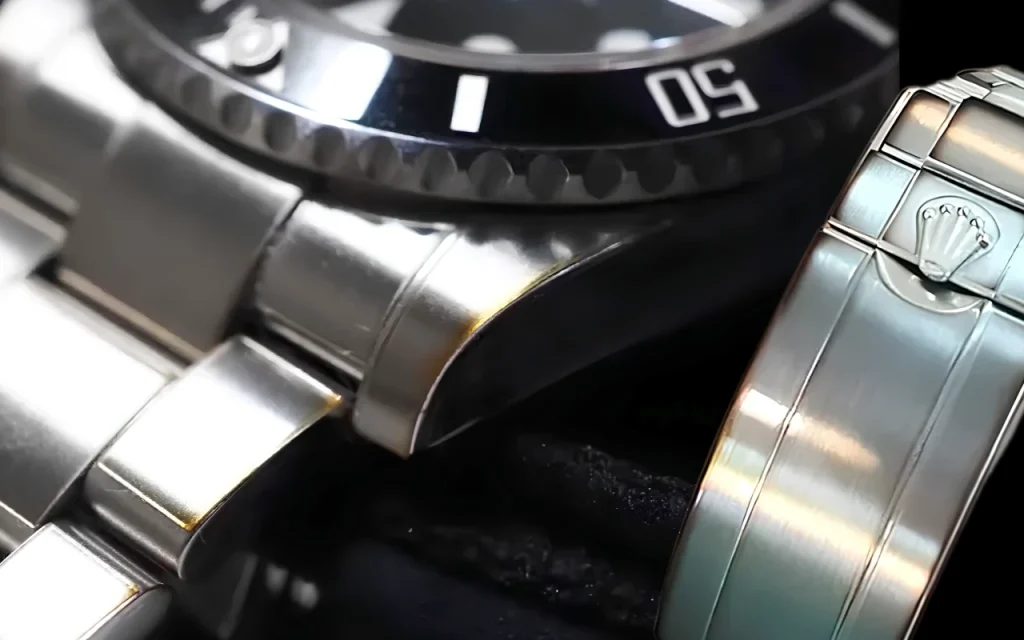
Yes. Excessive or prolonged heat may contribute to bubbling if it affects the film or adhesive. However, heat is not the only possible cause. UV exposure, contamination, trapped moisture, film movement and installation problems may also affect the condition of the film.
When a watch is exposed to high temperatures for an extended period, the film and adhesive can experience greater thermal stress. If adhesion weakens, sections of the film may lift from the watch surface and create visible air pockets.
If bubbles appear after unusual heat exposure, inspect the surrounding film for edge lifting, movement or other visible changes. A bubble alone does not prove that heat caused the problem.
Can Heat Cause Watch Protection Film Discoloration
Possibly. Excessive or prolonged heat may contribute to discoloration in some films. However, heat should not automatically be considered the cause. UV exposure, material aging, chemical exposure, contamination and differences in film or adhesive composition can also affect appearance.
Color transfer can also affect the film’s appearance. Dyes from some fabrics or storage materials may transfer to the film surface. Certain chemicals and cleaning products may also affect appearance, depending on the film material.
Heat and UV exposure may occur simultaneously. A watch left under direct sunlight, for example, experiences both solar heating and ultraviolet radiation.
Identifying the likely cause therefore requires considering the film material, age and exposure history rather than temperature alone.
Does Heat Cause TPU Film to Yellow
Yellowing cannot be attributed to heat alone without considering the TPU formulation, environmental exposure and aging of the film.
Different TPU formulations can have different resistance to environmental aging. Product-specific UV-resistance, weathering or discoloration testing provides stronger evidence than applying a general yellowing claim to all TPU films.
Does UV Exposure Cause Watch Protection Film to Yellow
UV exposure can contribute to material aging and appearance changes, but resistance depends on the specific film formulation. Direct sunlight can expose the film to both UV radiation and increased surface temperatures.
Can Heat Affect Film Clarity Without Turning It Yellow
Yes. Excessive or prolonged heat may affect the appearance or optical clarity of some TPU films without causing obvious yellowing.
A heat-affected film may appear cloudy, hazy or dull depending on the film formulation, adhesive system and exposure conditions. Heat exposure does not always produce the same visible effect across different TPU products.
Changes in clarity and yellowing should also be evaluated separately. A film may lose some transparency without developing a noticeable yellow color.
Does Exposure Time Affect Heat Damage
Yes. Exposure duration matters because temperature alone does not describe the complete heat exposure.
A watch exposed briefly to warmth experiences different conditions from a watch left at an elevated temperature for several hours.
Consider these examples:
- Wearing a watch outdoors creates normal environmental heat exposure.
- Leaving a watch under intense direct sunlight can create prolonged solar exposure.
- Leaving a watch inside a parked vehicle can create prolonged heat in an enclosed environment.
- Holding a watch close to a concentrated heat source can create more intense local heating.
Both temperature and duration therefore matter when assessing heat exposure.
This distinction explains why wearing a protected watch on a warm day is different from leaving the same watch stationary in an unusually hot environment.
Which Heat Sources Can Affect Watch Protection Film
Prolonged sunlight, hot enclosed environments and concentrated heat sources can expose watch protection film to conditions beyond normal everyday warmth.
The level of exposure depends on the heat source, distance, duration and surrounding conditions. Avoid unnecessary prolonged or close exposure to intense heat.
Can Direct Sunlight Damage Watch Protection Film
Prolonged direct sunlight can expose watch protection film to increased surface temperatures and UV radiation.
Normal sunlight during everyday wear differs from leaving a watch stationary under intense sunlight for several hours. When the watch is not being worn, storing it away from prolonged direct sunlight reduces unnecessary heat and UV exposure.
Can a Hot Car Damage Watch Protection Film
A hot parked vehicle can expose watch protection film and its adhesive to prolonged elevated temperatures, particularly when the watch is also under direct sunlight.
This differs from normal wrist wear because the watch may remain hot for an extended period. Avoid leaving a protected watch inside a hot parked vehicle whenever possible.
Can a Hair Dryer Damage Watch Protection Film
Yes. Excessive heat from a hair dryer may damage TPU film or affect its adhesive, particularly when the dryer is held too close or used for an extended period.
The same applies to self-healing film, which is designed to repair small scratches with gentle heat. However, excessive heat can still cause the film to warp, make the surface look cloudy, or loosen the edges.
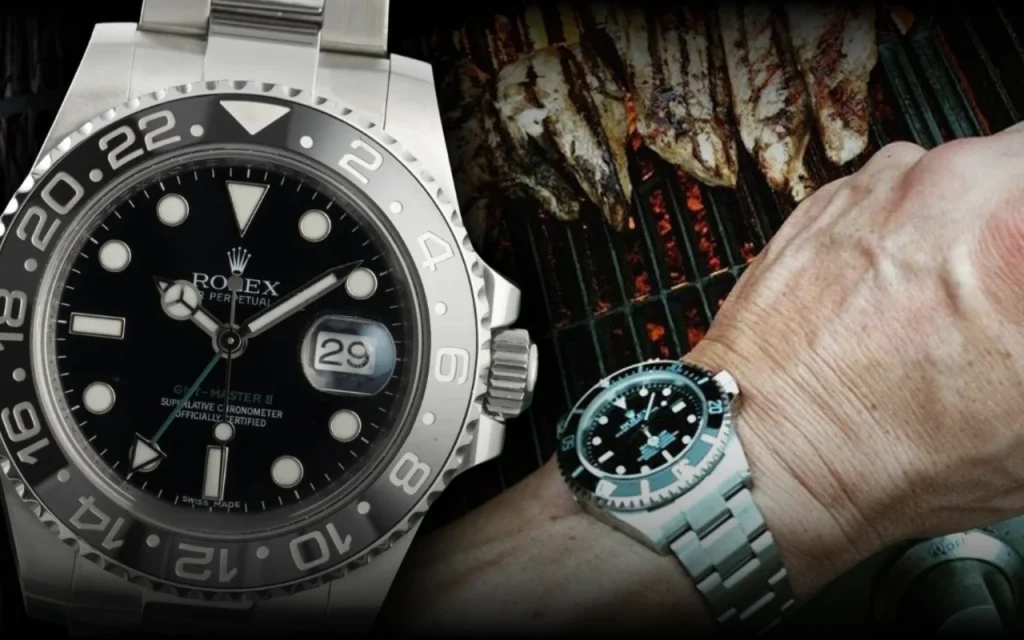
Can BBQs and Hotpots Affect Watch Protection Film
Yes. BBQs, hotpots, heaters, and other strong heat sources can expose your watch to high temperatures, especially when it is kept too close for too long.
Normal dining is generally not a concern. However, keeping your watch close to an intense heat source for an extended period may affect the protection film. To reduce the risk, keep your watch at a safe distance or move it away from prolonged heat exposure.
Can Saunas and Hot Showers Affect Watch Protection Film
High-temperature, high-humidity environments can expose watch protection film to conditions beyond normal everyday wear. Remove your watch before using a sauna or steam room, and clean it with room-temperature water rather than hot water.
Can Sudden Temperature Changes Affect Watch Protection Film
Ordinary temperature changes during everyday wear are generally not a concern for properly installed watch protection film.
Moving between warm outdoor conditions and an air-conditioned building represents normal environmental exposure.
If the watch becomes unusually hot, allow it to return to normal conditions naturally rather than deliberately exposing it immediately to another temperature extreme.
Can Heat Affect Watch Protection Film During Storage
Yes. Prolonged exposure to excessive heat can affect a protected watch even when the watch is not being worn.
Store the watch in a cool, dry location away from prolonged direct sunlight and concentrated heat sources. Avoid storage areas that experience unnecessary temperature extremes.
For newly installed protection film, follow the specified installation aftercare and storage instructions during the initial adhesion period.
How Can You Tell If Heat Has Damaged Watch Protection Film
Inspect the protection film after unusual heat exposure rather than assuming it has been damaged. Potential heat-related changes may be visible around the film surface, edges or adhesive bond.
Check for:
- Inspect the edges for new lifting or separation from the watch surface.
- Check the surface for bubbles, deformation or reduced clarity.
- Compare the color with its previous appearance to identify noticeable discoloration.
- Check the position to determine whether the film has shifted.
- Inspect curves and corners for changes in adhesion.
These signs confirm that the film’s condition may have changed, but they do not identify heat as the cause by themselves.
What Should You Do If Watch Protection Film Changes After Heat Exposure
If the film shows visible changes after excessive heat exposure, avoid peeling, stretching, repositioning or attempting to repair it immediately.
Allow the watch to return naturally to normal conditions and inspect the affected area. Persistent deformation, lifting, bubbling, displacement, discoloration or loss of adhesion should be assessed before deciding whether the film can remain in place or requires replacement.
Can Heat-Affected Watch Protection Film Remain in Place
Yes, if the film remains flat, clear, correctly positioned and securely attached, unusual heat exposure alone does not necessarily require replacement.
Persistent deformation, significant lifting, bubbling, displacement or loss of adhesion requires a different assessment. If visible changes remain, have the installation inspected rather than stretching, repositioning or reattaching the film yourself.
When Should Watch Protection Film Be Replaced
Unusual heat exposure alone does not necessarily require replacement. If the film remains flat, clear, correctly positioned and securely attached, it can stay in place.
Even without unusual heat exposure, protection film does not last indefinitely. High-quality film typically lasts 6 to 24 months, and regular heat, humidity and sweat can shorten that range.
Consider professional inspection or replacement when a visible change persists or prevents the film from remaining clear, correctly positioned and securely attached.
Replacement may be appropriate when the film has persistent deformation, significant edge lifting, bubbling, loss of adhesion, displacement or reduced clarity.
The installer can assess whether the affected film remains suitable for use or should be replaced.
Should You Remove Damaged Film Yourself
Avoid picking, pulling or repeatedly lifting damaged protection film without appropriate removal guidance.
Manipulating a lifted section can introduce contamination underneath the film or worsen the existing separation.
If the film appears permanently damaged, contact the installer and follow the recommended removal or replacement procedure.
How Do You Protect Watch Protection Film From Heat
Protect watch protection film by limiting unnecessary exposure to extreme or concentrated heat and following the product’s aftercare instructions. Normal warm-weather wear generally does not require special treatment.
Use these practical measures:
- Avoid prolonged concentrated heat from heaters, BBQs, hotpots and similar sources.
- Avoid hot parked vehicles, particularly when the watch would also remain under direct sunlight.
- Limit prolonged stationary sunlight exposure when the watch is not being worn.
- Follow installation aftercare while the film completes its specified adhesion or drying period.
- Store the watch appropriately away from unnecessary temperature extremes.
- Leave installed edges undisturbed rather than intentionally lifting or peeling them.
- Inspect the film after unusual heat exposure for persistent changes in shape, position, clarity or adhesion.
FAQs About Heat and Watch Protection Film
1. Can Normal Body Heat Damage Watch Protection Film?
Normal body heat is generally not expected to damage protection film designed for everyday wear. Sweat, skin oils and residue are more relevant maintenance considerations because they can accumulate around the watch and film edges. Follow the recommended cleaning procedure after the initial installation period.
2. Can Watch Protection Film Melt in Hot Weather?
Normal hot-weather wear is generally not expected to cause watch protection film to melt. The thermal properties of protection film depend on the specific material and product specifications. Excessive or concentrated heat should still be avoided.
3. Does Watch Protection Film Protect the Watch From Heat?
No. Watch protection film primarily helps protect suitable exterior surfaces from cosmetic wear such as scratches and scuffs. It does not provide thermal insulation for the watch.
4. Should Watch Protection Film Be Replaced After Heat Exposure?
No, not automatically. Do not replace it without checking it first. Look closely at the film. If you see persistent deformation, lifting edges, bubbling, discoloration, or cloudiness, then it needs to be replaced. If it looks perfectly normal and stays in place, it is still working fine.
Final Word
Normal heat exposure is generally not a concern, but prolonged intense heat can affect watch protection film over time. Avoiding concentrated heat sources and following proper care practices can help keep both the film and your watch in good condition.
Key Takeaways
- Intense heat is the main concern. Prolonged exposure to direct sunlight or concentrated heat sources may affect the film or adhesive over time.
- Heat can affect the adhesive. Prolonged or excessive exposure may contribute to lifting or bubbling.
- Self-healing does not mean heat-proof. Follow the manufacturer’s recommended method and avoid excessive heat.
- Film protects against cosmetic wear. It helps reduce scratches and scuffs but does not provide thermal protection for the watch.
Avoiding prolonged exposure to intense heat can help keep your watch protection film in good condition. At Watchskins Singapore, we stand behind the quality of our protection films with a warranty for added peace of mind. If you experience any issues with your film, simply bring your watch back to us and our team will assess the issue and advise you on the next steps.