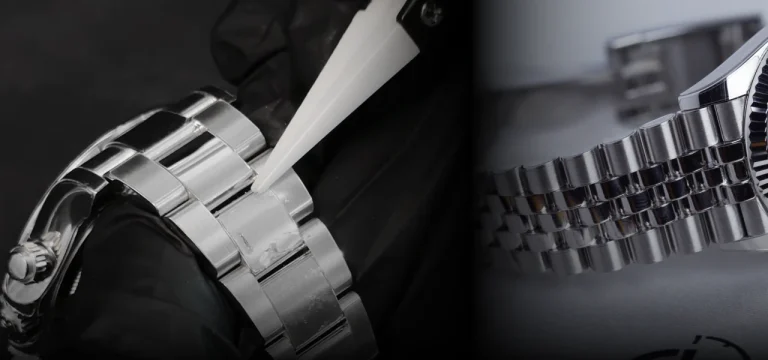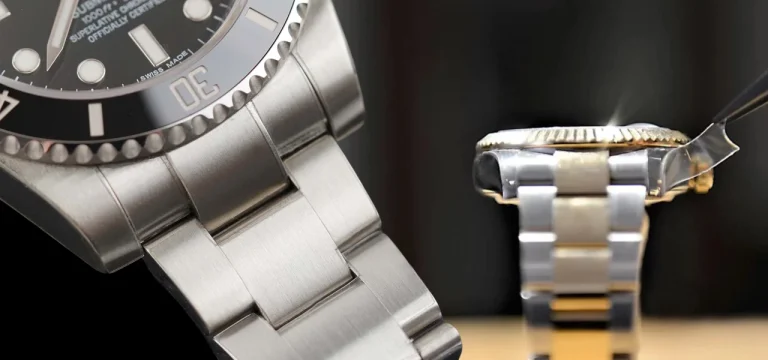

A watch protection film is designed to preserve your watch’s original appearance, not change it. If a clear film starts developing a yellow tint, it’s natural to wonder whether the material is failing or whether something else is causing the discolouration.
The good news is that yellowing is not inevitable. It depends largely on the film’s material quality, environmental exposure, daily wear and maintenance. Premium TPU films are engineered to maintain optical clarity far longer than lower-quality alternatives, although no protective film lasts forever.
This guide explains what causes watch protection film to yellow, how to distinguish genuine material ageing from surface staining, and when cleaning or replacement is the right solution.
Does Every Watch Protection Film Turn Yellow
Watch protection films can turn yellow over time, but the likelihood varies significantly between products. Lower-quality films generally discolour sooner because they use less stable materials, while premium TPU films are formulated to better resist UV exposure, heat and oxidation.
How long a film remains clear depends on several factors, including:
- Material formulation
- UV exposure
- Heat
- Sweat and skin oils
- Contact with chemicals
- Cleaning habits
- Installation quality
- Frequency of wear
A yellow tint does not always indicate material degradation. Surface contamination, residue and staining can create a similar appearance and may often be removed with proper cleaning.
Why Does Watch Protection Film Turn Yellow
Transparent polyurethane gradually changes when exposed to environmental stress. Heat, ultraviolet light and oxidation slowly affect the material, while everyday contaminants can make the surface appear discoloured even when the film itself remains intact.
Understanding the cause helps determine whether the film simply needs cleaning or whether replacement is the better option.
UV Exposure
Ultraviolet radiation gradually breaks down many transparent polymers. Over time, prolonged exposure can reduce optical clarity and create a yellow tint.
Daily outdoor wear is rarely the main concern. Extended exposure, such as leaving a watch on a sunny windowsill or inside a parked vehicle, places far greater stress on the material.
Heat
Heat accelerates the natural ageing of polyurethane. High temperatures may affect flexibility, adhesive performance and long-term transparency.
Repeated exposure to hot environments, including saunas, dashboards or direct sunlight, can shorten the film’s lifespan.
Sweat, Skin Oils, and Moisture
Sweat and natural oils continually accumulate on the film’s surface. Over time, this residue may create a yellow or cloudy appearance even when the protective layer remains structurally sound.
Regular cleaning becomes particularly important in hot and humid climates where perspiration is more frequent.
Perfumes and Household Chemicals
Fragrances, sunscreen, strong soaps, solvents and household cleaners may stain or weaken some protective films.
Repeated chemical exposure can damage surface coatings, reduce transparency and shorten the film’s usable life.
The surrounding environment explains part of the picture. The material itself ultimately determines how well the film withstands these conditions.
How Film Material Affects Yellowing
Not all watch protection films age the same way. The difference usually comes down to the quality of the polyurethane and the way it is manufactured.
Most premium films are produced using thermoplastic polyurethane (TPU), but formulations vary considerably. Higher-grade TPU like Aliphatic is engineered to maintain flexibility, optical clarity and resistance to UV-induced discolouration over extended periods.
Lower-quality or aromatic TPU formulations generally lose optical clarity sooner under prolonged UV exposure because their chemical structure is inherently less resistant to photo-oxidation than aliphatic TPU.
Manufacturers may also incorporate protective additives that improve long-term performance, including:
- UV absorbers
- Antioxidants
- Polymer stabilisers
- Protective surface coatings
These components slow the effects of sunlight, heat and oxidation, helping the film remain clear for longer.
Premium watch protection films are designed to resist yellowing, but they cannot eliminate it. All protective materials gradually age, although higher-quality products typically do so more slowly and more evenly.
For example, Watchskins uses premium 3M TPU engineered for model-specific coverage, long-term clarity and durable everyday protection.

Lower-Quality Film vs Premium TPU
| Feature | Lower-Quality Film | Premium TPU Film |
| UV resistance | Lower | Higher |
| Optical clarity | Reduces sooner | Maintains clarity longer |
| Flexibility | Moderate | Excellent |
| Adhesive performance | More prone to ageing | Better long-term stability |
| Yellowing resistance | Lower | Higher |
| Overall durability | Shorter lifespan | Longer service life |
True Yellowing vs Surface Staining
Not every colour change means the protective film has deteriorated.
True yellowing develops within the material itself. It usually appears as a consistent yellow tint across exposed areas and is commonly associated with UV exposure, oxidation, heat or long-term ageing. Cleaning rarely restores the original appearance.
Surface staining affects only the outer layer. Sweat, skin oils, sunscreen and everyday residue can accumulate over time, making the film appear yellow or dull even though the material remains clear.
Cloudiness is different again. It usually results from trapped moisture, fine scratches, adhesive haze or worn surface coatings rather than colour change.
| Visible symptom | Possible cause | Can cleaning help? | Recommended Action |
| Light staining | Surface residue | Often | Clean carefully |
| Uniform yellow tint | Material ageing | Usually not | Consider replacement |
| Dark edges | Trapped dirt | Often | Clean or inspect edges |
| Cloudy appearance | Moisture, scratches or coating wear | Sometimes | Seek professional inspection |
How to Check Whether Your Watch Film Is Actually Yellowing
Before assuming the film has degraded, carry out a simple inspection.
- Examine the watch under neutral daylight rather than warm indoor lighting.
- Compare covered areas with any exposed metal, sapphire crystal or ceramic.
- Look for a consistent tint rather than isolated discolouration around edges.
- Clean the surface using the installer’s recommended method.
- Allow the film to dry completely before inspecting again.
- Check for peeling, bubbling, cloudiness, brittle edges or weakened adhesion.
- If the cause remains unclear, ask a professional installer to inspect the film before removing it.
Avoid scraping, polishing or applying aggressive solvents, as these can permanently damage both the protective layer and the watch beneath it.
Can Yellow Watch Protection Film Be Cleaned
Sometimes. Before assuming the film has permanently yellowed, watch owners should first check whether the discolouration is simply caused by surface residue, fingerprints, sweat or transferred stains. These can often be removed using a clean microfibre cloth, water or an installer-approved cleaner.
Avoid:
- Alcohol
- Acetone
- Abrasive compounds
- Strong solvents
- Hard brushes
If the yellow tint remains after careful cleaning and complete drying, the material has likely begun to age. At that stage, replacement is usually the safest way to restore the watch’s original appearance.
How to Reduce the Risk of Yellowing
While no protective film lasts indefinitely, good maintenance helps preserve its appearance.
You can extend the film’s clarity by:
- Cleaning away sweat and oils regularly.
- Drying the watch thoroughly after water exposure.
- Applying perfume or sunscreen before putting on the watch.
- Limiting prolonged exposure to direct sunlight and excessive heat.
- Storing the watch in a clean, dry watch box.
- Addressing lifted edges before debris becomes trapped underneath.
- Choosing a precision-cut film installed specifically for your watch model.
In warm and humid climates such as Singapore, more frequent cleaning helps prevent residue from building up on the surface.
How Long Does Watch Protection Film Stay Clear
There is no universal replacement schedule.
A film’s lifespan depends on several factors, including:
- Material quality
- Daily wear
- Sunlight exposure
- Heat
- Humidity
- Cleaning habits
- Installation quality
Higher-quality TPU generally retains its appearance longer, while lower-grade materials may show signs of ageing sooner.
Rather than replacing the film after a fixed period, assess its overall condition.
When Should Watch Protection Film Be Replaced
Replacement should be based on performance rather than age.
Consider replacing the film if:
- Yellowing remains after cleaning.
- The tint noticeably changes the watch’s appearance.
- Cloudiness continues to worsen.
- Deep scratches reduce visibility.
- Edges begin lifting.
- Dirt or moisture becomes trapped underneath.
- Adhesion weakens.
- The film becomes brittle, cracked or distorted.
A slightly discoloured film may still provide scratch protection. However, once physical deterioration accompanies colour change, replacement is usually the best option.
Frequently Asked Questions
1. Does yellow watch protection film damage the watch?
No, yellowing film doesn’t damage the watch. It’s a change in the film itself, not a sign of damage. It usually means the film is ageing or reacting to light, heat, or humidity.
2. Do all TPU films eventually turn yellow?
No. TPU formulations differ significantly. Lower‑grade or aromatic TPUs are more prone to yellowing under UV, heat, and sweat, while high‑quality TPU films are engineered to maintain clarity much longer and resist discoloration.
3. Can an unworn watch develop yellow film?
Yes. Yellowing comes from the watch protection film ageing and reacting to light, heat, and storage conditions, so it can happen even if you rarely wear the watch.
4. Is yellowing covered under warranty?
It depends on the brand and installer. Many premium TPU films cover yellowing as a material defect within the warranty period, but terms and duration vary. Some warranties also exclude yellowing caused by misuse or harsh conditions. Check your specific warranty before making a claim.
Key Takeaways
- Watch protection film can turn yellow, but the material quality greatly influences how quickly this occurs.
- Premium TPU films resist UV exposure, oxidation and everyday ageing more effectively than lower-quality alternatives.
- Surface staining can often be cleaned, while true material yellowing usually requires replacement.
- Replace the film when persistent yellowing is accompanied by peeling, cloudiness or weakened adhesion.
If your watch protection film has yellowed or lost its clarity, it may be time for a replacement. Watchskins uses premium 3M TPU film designed to provide a virtually invisible finish while helping protect your watch against micro scratches and swirl marks. Browse our custom-fit watch protection films to find the right fit for your watch. Protect your watch before everyday wear leaves cosmetic marks that may affect its resale value.