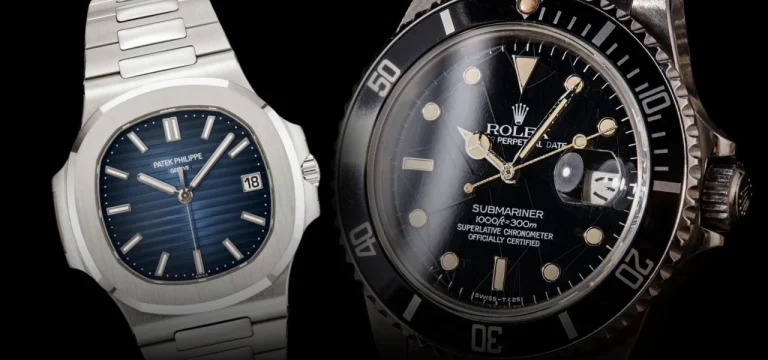

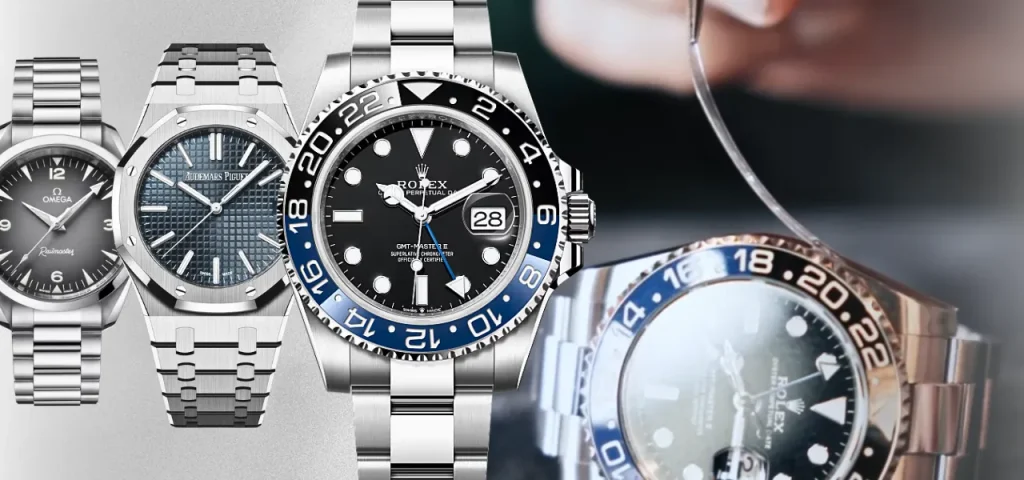
A single scratch can make any luxury watch owner wince, especially when it appears on a Rolex, Patek Philippe, Audemars Piguet, Omega, or Tudor. These watches are crafted with precision and premium finishing, yet their polished surfaces and exposed edges pick up marks more easily than most people expect.
Because of this, more watch owners in Singapore and around the world are turning to watch protection films, also known as PPF. These ultra-thin, transparent layers are designed to shield your luxury watch from surface wear without altering its look.
So the real question is simple: should you put protective film on your luxury watch? This guide gives you professional dealer insights into how watch protection film works, its benefits and drawbacks, its impact on resale value, and the situations where applying one actually makes sense.
What Is a Watch Protective Film
A watch protection film is a thin, transparent layer applied to the surface of a timepiece to guard against scratches, surface wear, and everyday contact. It is also known by other names, such as watch PPF, watch sticker, anti-scratch film, or simply protective film. It is designed to protect the parts that actually get scratched during daily use.
Screen Protector vs. Watch Protective Film
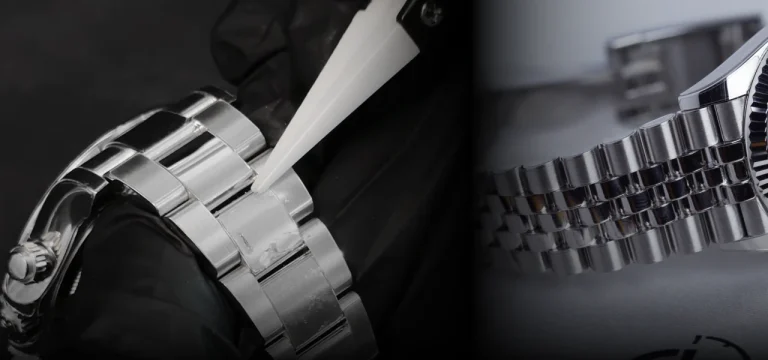
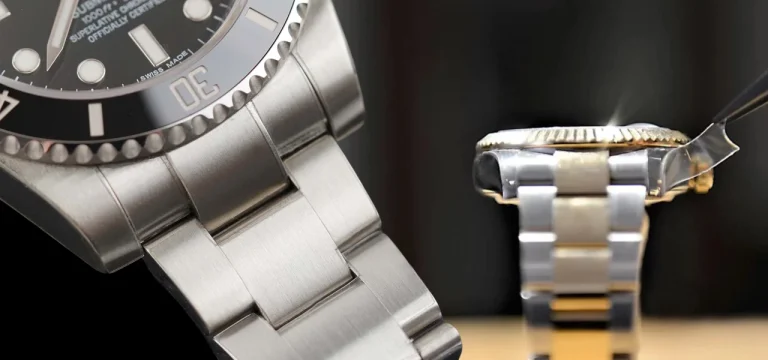
A screen protector only covers the crystal. A watch protection film is different because it wraps around the entire watch. That includes the case, bezel, lugs, crown guards, clasp, and even individual bracelet links. It is a full-body solution designed to protect the parts that actually get scratched during daily use.
Modern films typically come in two materials. PVC is cheaper but tends to yellow and is less durable. TPU, or thermoplastic polyurethane, offers better clarity, flexibility, and self-healing properties. Think of it like the automotive PPF used on cars, only miniaturised for a timepiece.
With precise templates and professional application, high-end watch protection films can cover up to 98% to 99.9% of a watch’s surface.
PVC vs TPU Materials: The Technology Behind Modern Watch Films
PVC films are the budget option. They are stiff, less clear, and tend to yellow over time. They also struggle with heat and movement, which makes them a poor match for luxury watches.
TPU, or thermoplastic polyurethane, is the material most watch enthusiasts and installers prefer. It is flexible, highly transparent, resistant to yellowing, and supports heat-activated self-healing. This gives TPU a noticeable advantage in both appearance and performance.
TPU films hold up well against UV exposure, sweat, moisture, seawater, and common chemicals. They are designed for real-world use and daily wear. The limitation is simple. They cannot fix deep gouges or dents. Those marks remain visible beneath the film, even with self-healing technology.
How the Multi-Layer Structure Works
A modern watch protection film is built in layers, each serving a specific purpose.
- Adhesive layer: Secures the film without harming the watch surface.
- Shock-absorbing layer: Helps reduce the impact from daily contact.
- Self-healing outer coat: Smooths out light marks when exposed to warmth. This layered design creates a thin, clear barrier that blends into the case and bracelet.
Self-healing happens when the top coat reacts to gentle heat. Micro-scratches soften and level out under sunlight, body warmth, or mild controlled heat. It will not erase deep watch damage, but it keeps the surface looking clean by correcting everyday wear marks.
What Parts of the Watch Can Be Protected

A watch protection film is designed to shield the areas that experience the most wear. Installers typically apply film to several key surfaces.
Common Coverage Areas
- Bezel, whether fixed or rotating
- Case and case sides
- Lugs, which often get scratched during strap changes
- Crown guards
- Crystal
- Caseback
- Bracelet links and polished center links
- Clasp, which is usually the first part to show desk rash
Each of these parts picks up marks in different ways. The lugs are exposed during strap swaps, the clasp hits the desk constantly, and the bezel makes contact with sleeves and surfaces throughout the day. Spreading protection across multiple surfaces is what makes a full-body film more effective than a single screen protector.
Compatibility With Complex Shapes
Modern watch films can curve around edges and follow unusual shapes. Installers use precision-cut templates made specifically for certain models, like the Rolex Daytona or Audemars Piguet Royal Oak. This ensures a close fit that does not stand out on the wrist. High-end applications can protect up to 98 to 99 percent of a watch’s exterior, creating a near-invisible shield around the entire timepiece.
Should You Put Protective Film on Your Watch?
A protective film offers several practical advantages for anyone who wants to keep a luxury timepiece in top condition. These benefits are especially noticeable for daily wearers and collectors who care about long-term value. Here are the key reasons many watch owners choose to use one.
Prevents Micro-Scratches and Swirl Marks
Polished surfaces on watches like the Rolex Daytona, Datejust, and IWC Portugieser tend to show marks quickly. Even careful wearers notice fine lines appearing on the bezel, case, and clasp within days. These usually come from simple things such as shirt cuffs brushing the case, light desk contact, or the bracelet rubbing against itself. A watch protection film creates a barrier that absorbs these small abrasions before they reach the metal.
Reduces the Need for Polishing
Polishing removes a thin layer of metal every time. This is why dealers avoid it unless absolutely necessary. Too much polishing leads to softer edges, rounded bevels, and the loss of factory finishing that collectors care about. A protective film reduces the chance of visible scratches, which means fewer polishes over the watch’s lifetime. Keeping the original geometry intact has a direct impact on long-term value.
Maintains Collector-Grade Condition
Collectors prefer watches with an unpolished, original finish. A watch that still has crisp lines and untouched surfaces often commands a stronger price. This is especially true for high-demand references and discontinued models. Using a protective film helps preserve that fresh, factory-correct look that buyers seek.
Protection Against Environmental Exposure
Watches are exposed to more than just physical contact. Sweat, humidity, sunscreen, dust, and seawater all contribute to surface wear. A film acts as a shield that handles these elements, especially for owners who live in warm climates or spend time outdoors.
Helps Preserve Resale Value
Dealers sometimes pay more for watches that have been kept in film because the surfaces remain cleaner and sharper. A protected watch usually requires less restoration before sale or consignment. This reduces servicing time and helps retain a more desirable condition.
Ideal for Daily Wearers
If you wear your watch to the office, gym, travel, or outdoor activities, you will see the biggest benefit. Daily use exposes the case and clasp to constant contact, and a protective film keeps that wear from reaching the metal.
Situations When You Should Apply Watch Protection Film

Some watches benefit more from protection than others. If you fall into any of the situations below, applying a watch protection film is worth considering.
Checklist of Ideal Scenarios
- You wear the watch daily and expose it to regular contact.
- Your watch has polished surfaces that pick up swirl marks easily.
- You plan to resell the watch within the next one to three years and want to keep it in top shape.
- You bring your watch on holidays or frequent travel, where bumps and scrapes are more likely.
- You engage in outdoor or water activities that expose the case and clasp to wear.
- You have just purchased a new watch and want to maintain its fresh condition.
- You recently completed a service or polish, making this the ideal moment to apply protection.
Not everyone needs a protective film, but owners of high-value pieces or watches with heavy daily use will see the greatest benefit.
Downsides and Limitations of Watch Film
A protective film offers many advantages, but it also comes with a few drawbacks. Most of these are minor, yet they are worth understanding before you decide to apply one.
Common Limitations to Consider
- Needs periodic replacement as the film wears over time.
- Low-quality films may yellow or become cloudy.
- Poor installation can leave visible edges, bubbles, or uneven alignment.
- Self-installation is difficult on curved cases or lugs.
- Film may lift on heavily worn areas like the clasp.
- Does not prevent structural watch damage from drops or hard impacts.
- Deep scratches cannot self-heal and will remain visible under the film.
- Cheap PVC films can peel, discolor, or harden.
These issues are mainly associated with lower-grade films or improper installation. Premium TPU films applied by skilled installers rarely experience these problems.
How Long Does Watch Protective Film Last
A watch protection film generally lasts between 6 months and 2 years. The lifespan depends heavily on the material, with TPU offering better durability than PVC. Climate and humidity also play a role, especially in places like Singapore where heat and moisture are constant. Daily wear, skin acidity, and exposure to seawater or chemicals can shorten the lifespan as well.
Watches that see heavy use will naturally wear through film faster. Even high-quality TPU will eventually show signs of age. The key is knowing when to replace it.
Signs It Is Time for a Replacement
- Corners or edges start to lift.
- The surface begins to look dull or cloudy.
- Scratches stop self-healing with warmth.
- Certain sections feel rough or uneven to the touch.
Replacing the film at the right time keeps your watch protected and maintains a clean, invisible finish.
DIY vs. Professional Installation: Which Should You Choose
Installing a protection film yourself might seem convenient, but most DIY kits rely on generic templates that do not match the watch face or case shape with enough precision. This makes it hard to achieve a clean, precision application, especially on curved lugs or polished surfaces. DIY attempts also carry a higher risk of air bubbles, visible edges, and uneven alignment that reduce clarity and scratch resistance.
Professional installers avoid these issues by using tools and techniques created specifically for luxury watches. They depend on laser-cut templates tailored to each model, controlled heat treatment to set the film, and a clean-room environment that keeps dust away. This combination results in smooth, accurate coverage that blends naturally into the watch.
Some installers can protect 98 to 99 percent of the watch surface, something difficult to match at home. For high-value pieces, professional installation is usually the better choice.
Does Watch Film Affect Resale Value
Higher Resale Value for Protected Watches
A watch that has been kept in a protection film often stays closer to mint or collector-grade condition. This makes a noticeable difference in the watch market because reduced polishing means the metal thickness, crisp lines, and original factory edges remain intact. For anyone treating a luxury watch as an investment, keeping these details preserved can have a real impact on future pricing.
More Attractive to Buyers
Buyers appreciate knowing a watch was protected from day one. It signals careful ownership and usually means fewer hidden marks on the case or bracelet. A cleaner watch is easier to evaluate, easier to sell, and often more appealing to collectors who want the sharpest example available.
Avoids Costly Pre-Sale Refurbishment
Watches that have been protected typically do not need polishing or case refinishing before consignment or sale. This reduces time and cost on the seller’s end and keeps the watch closer to its original finish, which is something many buyers value.
Clear Expectations During the Sale Process
One important point is transparency. Most dealers will ask for the film to be removed during inspection. This is standard practice so the buyer can verify the true condition of the watch beneath the film. Despite this step, the long-term benefit of using a protective film remains strong for owners who want to maintain value over time.
Final Word
A watch protection film is not essential for everyone, but it can make a meaningful difference for owners who want to preserve condition, reduce polishing, and maintain long-term value. It offers a practical layer of defense during daily wear while keeping the watch looking clean and sharp. If you want your timepiece to age gracefully and stay closer to collector-grade condition, applying a protective film is often a smart and worthwhile choice.
Key Takeaways
- A high-quality watch protection film helps prevent micro-scratches, reduces the need for polishing, and keeps a luxury watch closer to collector-grade condition.
- TPU films offer better clarity, flexibility, and durability than PVC, with self-healing properties that maintain the watch’s appearance through daily wear.
- While not essential for every owner, protective film can improve resale value, minimize restoration costs, and provide meaningful protection for watches worn frequently.
Keep your luxury watch looking flawless. Watchskins offers precision-cut protection film designed for a perfect fit, long-lasting clarity, and everyday peace of mind. WhatsApp us today and give your timepiece the premium protection it deserves.