

A Rolex is more than a watch—it’s a symbol of timeless craftsmanship and luxury. Over time, scratches and normal wear become part of its story, but many owners feel the urge to bring back its original shine.
Polishing can breathe new life into a Rolex, restoring its flawless finish. However, it can also alter the watch’s character and even affect its value, especially for collectors and enthusiasts.
This article dives into the pros and cons of polishing, offering insights and expert tips to help you maintain the beauty and integrity of your Rolex.
What Does Polishing a Rolex Mean?

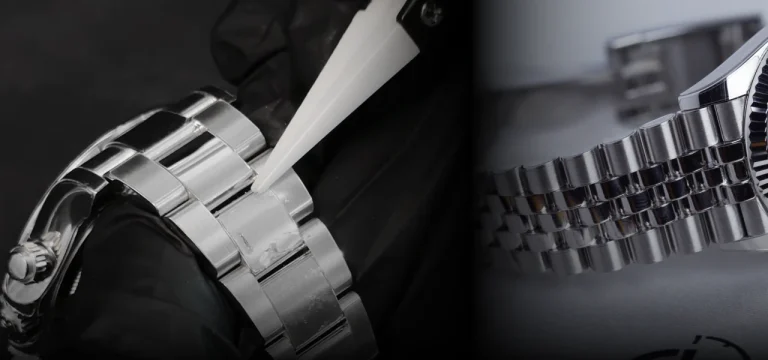
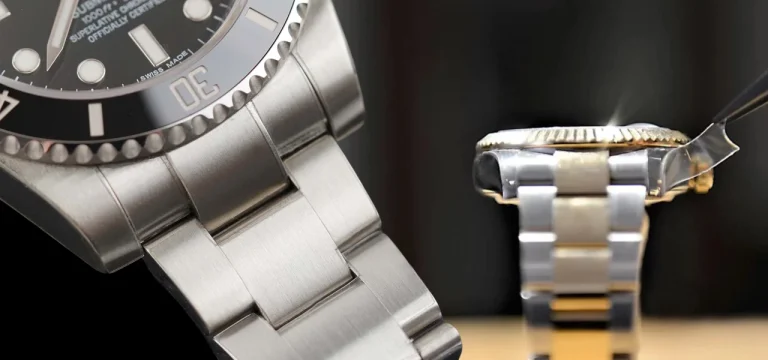
Polishing a Rolex means removing a very thin layer of metal from its surface to get rid of scratches, scuffs, and blemishes. The goal is to bring back its shine and make it look clean and fresh again. Areas like the case, bracelet, and lugs are the most commonly polished since they’re the parts that get worn down the most.
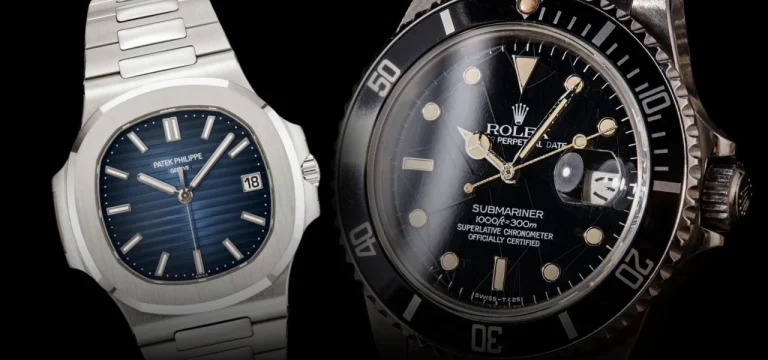
While it sounds simple, polishing is a delicate process. Done poorly, it can change the original look of the watch. For example, on models like the Rolex GMT Master, Submariner or Daytona, over-polishing can round sharp edges, blur the brushed and polished finishes, or soften the lugs—details that collectors love and value. Once these features are gone, there’s no way to fully restore them.
People polish their Rolex watches for a few main reasons:
- To keep it looking new: Polishing removes scratches and restores the shine, making the watch look fresh and clean again, especially for modern models worn daily.
- To prepare it for resale: A polished watch can attract buyers who value a flawless appearance, though collectors often prefer untouched finishes.
- To repair heavy damage: Deeper scratches, dents, or heavy wear can be addressed through polishing to bring the watch back to life.
The Risks of Polishing a Rolex
Here’s why polishing should always be approached with caution:
Loss of Metal Thickness
Once watch polished, it cause irreversible damage and removes a thin layer of metal from the surface. On models like the Submariner or Daytona, where sharp lines and crisp finishes are key, over-polishing can permanently damage the watch’s original design.
Impact on Originality
Polishing doesn’t just remove scratches—it can also erase factory finishes, bevels, and patina. Collectors highly value untouched watches because they reflect the original craftsmanship and the passage of time.
One example of this is a rare Submariner that sold for over $1,000,000 at auction. Its originality and preserved features made it a collector’s dream. Meanwhile, a similar model that had been over-polished would never fetch that kind of price, no matter how shiny it looked.
Value Depreciation
Polishing can hurt a Rolex’s value, especially for vintage models. Collectors will always pay more for a watch that has its original finish, even with scratches or oxidation.
In 2011, a rare Rolex 6062 in gold sold for over half a million dollars at Christie’s. Its untouched, heavily oxidized case was part of its charm. In contrast, a polished version of the same watch sold at Sotheby’s just weeks earlier for only $62,500. The polished version may have looked “cleaner,” but it lacked the originality that collectors crave.
The Benefits of Polishing a Rolex
While polishing a Rolex is not always the best choice for collectors, there are times when polishing makes sense depending on personal preference.
Restoring Its Appearance
A good polish can make a scratched or scuffed Rolex look brand new. This is especially useful after accidents or years of regular wear that leave noticeable marks. Polishing smooths out imperfections and restores the watch’s shine, making it look refreshed and ready to wear.
For Everyday Wearers
If you wear your Rolex daily and value a flawless, polished look, polishing can be a smart option. Many owners prioritize a pristine appearance over collector value, especially if they’re not planning to sell their watch. Polishing keeps the watch looking sharp and perfect for any occasion.
Rolex’s Polishing Expertise
When Rolex services a watch, polishing is often part of the process (unless you request otherwise). Their professionals are trained to carefully maintain the watch’s original proportions, edges, and factory finishes. Rolex’s polishing standards ensure that the watch keeps its sharp lines and signature design while removing scratches and scuffs.
To Polish or Not to Polish? The Debate
Polishing a Rolex sparks strong opinions among Rolex watch owners. Some value untouched finishes for their authenticity, while others see polishing as a way to keep their watch looking sharp.
Collector Perspective
Rolex owners and collectors avoid polishing because it erases factory finishes, bevels, and patina—details that make a Rolex unique. As one collector said, “I prefer to leave it. I want the case, edges, and beveling unchanged. Just wear it. It can tell a story.” For them, scratches add character, and originality always trumps shine.
Everyday Wearer Perspective
For daily wearers, polishing can be practical. Scratches and scuffs dull a watch’s look, and some owners prioritize a clean, polished finish. As experts note, “Regular light polishing can prevent deep scratches and maintain the watch’s appearance.” Polishing is ideal for those who value aesthetics over collector value.
DIY vs. Professional Polishing
DIY polishing is risky. Without proper tools or skills, you can create uneven finishes, round edges, or damage the metal. Experts recommend professional polishing to ensure crisp lines, proportions, and finishes are preserved. As they say, “Polishing correctly requires great skill, experience, and specialized equipment.”
Alternatives to Polishing a Rolex
Polishing isn’t the only option for maintaining your Rolex. Here are a few alternatives that preserve the watch’s value and integrity while keeping it looking great:
Embracing Scratches
For many collectors, scratches are part of a Rolex’s story. They reflect the watch’s journey and the life of its owner. Instead of viewing them as flaws, some owners choose to embrace these marks as signs of character and history, especially for vintage or collectible models.
DIY Touch-Ups for Minor Scratches
For small, superficial scratches, a DIY touch-up can work. Cape Cod polishing cloths are a popular option for gently removing light marks on polished surfaces (not brushed ones).
Here’s how to safely touch up your Rolex:
1. Clean the watch with a microfiber cloth to remove dirt or dust.
2. Lightly rub the Cape Cod cloth over the scratched area in small, circular motions.
3. Wipe off any residue with a clean microfiber cloth.
4. Avoid using this on brushed surfaces, as it can change the finish.
For deeper scratches, it’s best to leave it to a professional.
Protective Measures
Preventing scratches is always better than fixing them. Here’s how:
- High-quality watch protection films are an excellent way to shield your watch’s case and bracelet from scratches and daily wear. These films, made with premium multi-layered TPU and advanced technology, offer durable, crystal-clear coverage without altering the original look of your watch.
- Avoid wearing your Rolex in risky environments, such as construction sites, while doing manual labor, or during activities that could easily scratch the watch.
Special Considerations for Vintage Rolexes
Polishing a vintage Rolex is a delicate decision. While it can enhance the appearance, it often diminishes the originality and value that collectors prize. Here’s why polishing is generally avoided for vintage watch collecting models:
- Originality Matters: Collectors value untouched watches with original finishes, sharp edges, and patina. These features reflect the watch’s age and history.
- Patina Equals Charm: The natural aging of materials, like faded dials or tarnished cases, adds authenticity and uniqueness to vintage pieces. Polishing can erase this.
- Permanent Changes: Polishing removes metal and alters the watch’s design, softening edges and bevels that can never be fully restored.
- Collector Preference: Untouched watches with signs of wear are far more desirable and often fetch higher prices at auction.
A vintage Patek Philippe ref. 2497 perpetual calendar sold for $1 million at auction. While it had been lightly polished, key features like the sharp angles of the stepped lugs and the original dial were preserved. This careful, minimal intervention, common for watches serviced, maintained the watch’s integrity, making it acceptable to collectors.
In contrast, heavily polished vintage watches often sell for much less. Excessive polishing can remove critical details in its watch’s life like bevels and patina, drastically reducing their value and appeal. Collectors avoid such pieces, as they lose their originality and charm. If you decide to polish your Rolex, make sure it’s done by a professional to avoid damaging its original design and reducing its value.
Conclusion
If you’re focused on maintaining resale value or preserving a watch’s originality—especially for vintage models—polishing may not be the best choice. On the other hand, for modern watches worn daily, polishing can help restore their shine and keep them looking pristine.
- Factory finishes, patina, and sharp edges prized by collectors are lost during polishing, particularly on vintage models.
- For personal wearers who prioritize aesthetics, polishing restores a heavily scratched watch to a like-new condition.
- To protect the watch’s design and proportions, polishing must be entrusted to skilled professionals.
For owners who prefer to preserve the original finish, Watchskins offers a premium Rolex protective film with self-healing, edge-to-edge protection that keeps your watch looking untouched. Enjoy a 2-year warranty and expert installation. Chat with us to book your appointment today.