
Ceramic and aluminum bezels age differently, and the better choice depends on how you wear the watch. Ceramic is harder, more scratch-resistant, and holds its colour better, while aluminum is more likely to scratch, fade, and dent over time.
Ceramic is harder, more scratch-resistant, and holds its colour better, while aluminum is more likely to scratch, fade, and dent with regular wear. That means aluminum can sometimes survive the kind of impact that would damage ceramic.
This guide compares how ceramic and aluminum bezels perform in everyday wear, from appearance and fading to impact resistance and replacement cost, so you can choose the one that fits your wear habits.
Which Bezel Material Is More Durable? A Quick Overview
Ceramic and aluminum are durable in different ways. Ceramic resists scratches and holds its colour for longer, while aluminum performs better under sharp impacts, denting or bending rather than chipping.
The difference comes down to how each material handles wear. Ceramic’s hardness helps the bezel stay looking sharp for years, but that same hardness also makes it more likely to crack under a hard impact. Aluminum’s softer surface means scratches and fading show up sooner, but the wear is usually cosmetic rather than structural.
| Durability factor | Stronger material |
| Scratch resistance | Ceramic |
| Colour retention | Ceramic |
| Impact tolerance | Aluminum |
| Dent resistance | Ceramic |
| Crack resistance | Aluminum |
| Replacement affordability | Usually aluminum |
So, which one actually holds up better for how you wear your watch? That depends on the kind of wear you want to avoid, and that is exactly what the rest of this guide breaks down.
Bezel vs Bezel Insert: What Are We Comparing
A rotating bezel is more than just the ring you see around the dial. Depending on the watch, it can include the outer bezel ring, bezel insert, click spring or retaining ring, and sometimes a luminous pip or marker.

When watch brands or collectors talk about a ceramic bezel or an aluminum bezel, they usually mean the bezel insert rather than the full assembly. That distinction matters because the insert material affects appearance and durability, not how the bezel turns or clicks.
What Is a Ceramic Bezel Insert
A ceramic bezel insert is usually made from zirconium oxide, a hard ceramic material known for its scratch resistance and color stability. It is shaped and fired at very high temperatures, then finished and marked using precise manufacturing methods.
Ceramic inserts are valued for their resistance to scratches, fading, moisture, and corrosion. They also keep their glossy, high-contrast look for a long time, which is why they are common on modern dive watches and luxury sports models.
That said, ceramic is not indestructible. Because it is hard but less able to absorb impact than metal, a sharp impact on an edge can still cause a chip or fracture.
What Is an Aluminum Bezel Insert
Before ceramic became common, aluminum was the standard choice for dive watch bezels, and it still gives watches that classic tool-watch look. It is lightweight and easy to anodize, which is what gives aluminum inserts their color and helps protect the surface.
Compared with ceramic, aluminum is softer and more likely to show scratches, small dents, and fading over time. Instead of cracking, it usually wears in a more gradual way.
That aged look is part of the appeal for many collectors, especially on classic and neo-vintage dive watches.
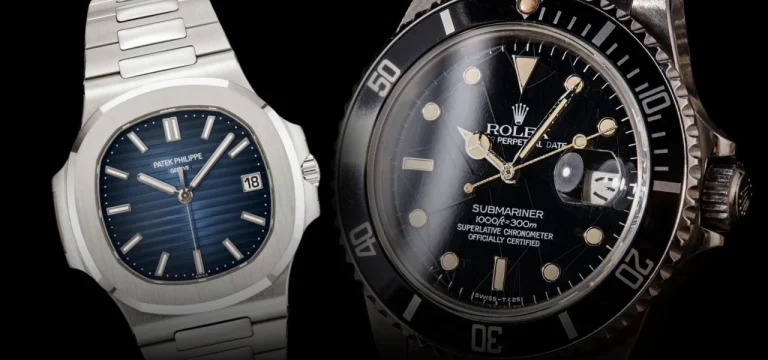
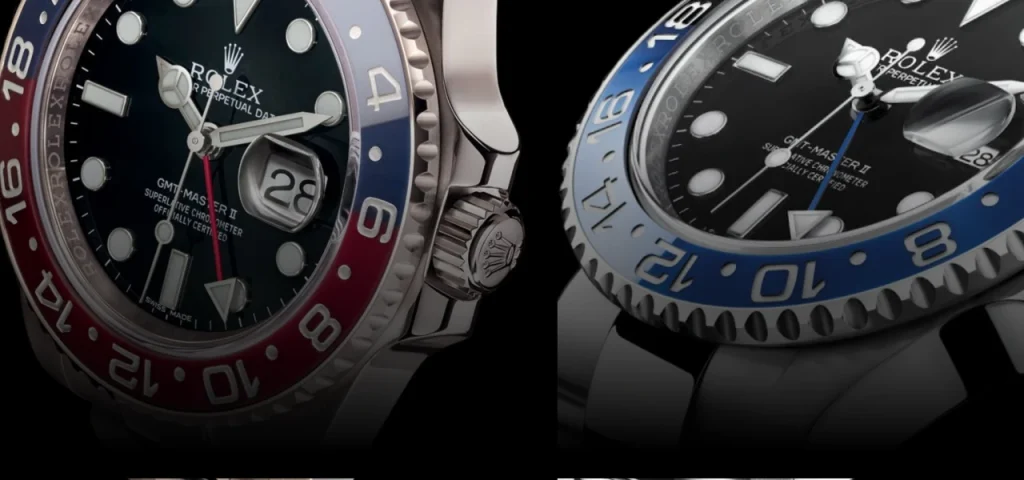
Watches like the Rolex Submariner ref. 16610, GMT-Master II ref. 16710, and Omega Speedmaster Professional Moonwatch are closely associated with aluminum bezel inserts, which have built a loyal collector following over time.
Scratch Resistance: Why Ceramic Has the Advantage
Scratch resistance is where the difference between ceramic and aluminum becomes most visible in daily wear. Both materials can last for years, but they develop marks in very different ways.
How Ceramic Handles Everyday Wear
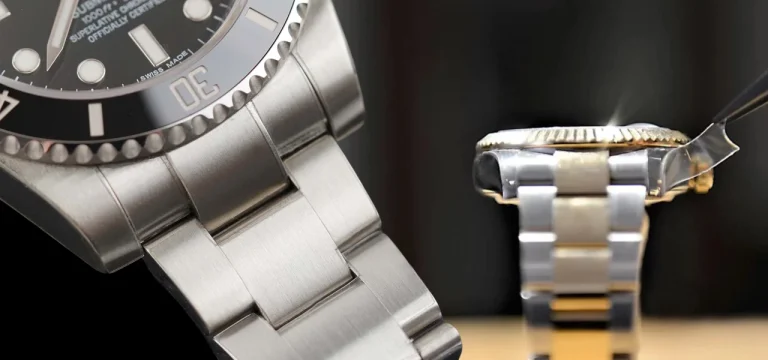
Ceramic’s high surface hardness helps it resist desk contact, clothing hardware, light rubbing, sand, and everyday abrasion. It is far less likely than aluminum to pick up hairline scratches during normal use.
That said, ceramic is not scratch-proof, and a hard hit or abrasive particle can still leave a mark or chip the surface. In practice, ceramic handles the kind of small contact that happens throughout the day much better than softer metals do.
Not every visible mark is a true scratch. Sometimes a softer material can leave a streak or transfer onto the ceramic surface without actually cutting into it. That is one reason ceramic can still look clean after years of wear, even if it has picked up a few marks that are easy to wipe away.
Why Aluminum Shows Marks Sooner
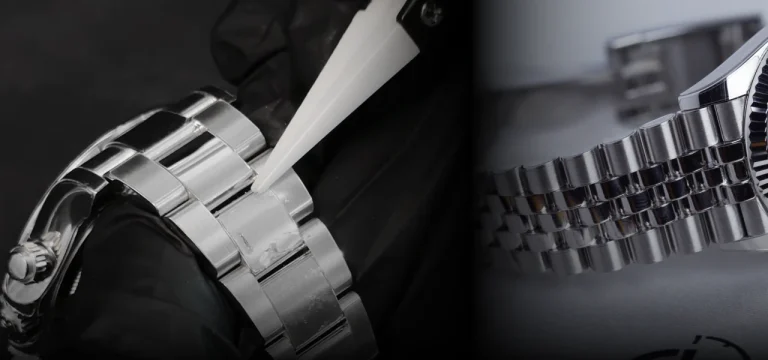
Aluminum is more vulnerable to routine contact. A light scratch may affect only the anodized layer, while a deeper mark can expose the lighter-coloured metal beneath it. Repeated abrasion may also soften printed or painted markings over time, which is why aluminum tends to show wear sooner. On a daily-wear watch, even small contact points like a desk, a jacket zipper, or a bag edge can leave marks over time.
For owners who want their watch to look newer for longer, ceramic has the clear advantage. Aluminum makes more sense when visible wear is part of the watch’s appeal.
Impact Resistance: Why Aluminum Performs Better
Scratch resistance is only part of durability. During a hard knock, the more important question is how the bezel insert handles concentrated force.
How Ceramic Responds to Impact
Ceramic has limited flexibility, so a direct blow to an exposed edge may cause a chip, hairline crack, larger fracture, or, in severe cases, separation from the bezel ring.
The risk depends on the insert’s thickness, bezel design, edge protection, impact angle, and force. Ceramic rarely breaks in normal wear, but a sharply focused impact can still cause serious damage.
How Aluminum Responds to Impact
Aluminum is softer and more ductile, which allows it to bend or dent instead of fracturing. It may develop a flattened edge, shift slightly out of alignment, or show obvious cosmetic damage while remaining in one piece. A severe dent can still affect bezel rotation or loosen the insert, so deformation is not always harmless.
Which Handles Impact Better
Ceramic is better at resisting dents, while aluminum is less likely to crack under a hard blow. For climbing, construction, fieldwork, or other high-impact environments, aluminum may handle impacts better.
Fading, Discoloration, and Long-Term Aging
Ceramic and aluminum can both last for decades, but they age in very different ways. Ceramic is designed to preserve its original appearance, while aluminum is more likely to develop visible colour changes and patina over time.
How Ceramic Ages
Ceramic generally offer excellent colour stability because its colour is integrated more deeply into the material than a simple surface coating. It is highly fade-resistant and handles sunlight, moisture, sweat, and normal environmental exposure well.
However, the ceramic base and its decorative details may not age at the same rate. Lacquer, metallic numeral fillings, or other applied surface treatments can show wear even when the insert itself retains its colour.
How Aluminum Changes Over Time
Anodized aluminum can gradually fade through ultraviolet exposure, abrasion, saltwater, sweat, cleaning chemicals, oxidation, and long-term wear. The result depends on the quality of the anodizing, dye, coating thickness, and how the watch is used.
Fading may also appear unevenly, especially around exposed edges or frequently handled areas.
When Fading Becomes Patina
Some collectors value naturally faded aluminum inserts in grey, blue, brown, or “ghost” tones. Still, patina does not automatically increase value. Originality, authenticity, and overall condition matter most, and artificially faded or refinished inserts may be less desirable.
How Each Material Handles Water, Salt, and Chemicals
Environmental resistance is where ceramic really separates itself. It shrugs off saltwater, sweat, humidity, and UV exposure without much consequence, and most mild cleaning products won’t touch it either. In fact, this resistance is a big part of why ceramic became the standard for dive watch bezels in the first place.
Aluminum, on the other hand, relies on its anodized layer for that same protection, and it holds up well as long as the surface stays intact. However, a deep scratch can expose the raw metal underneath, and once that happens, salt and moisture have a way in. Harsh chemicals can also dull or discolor the anodized finish over time, so if you’ve been swimming or diving in seawater, a quick rinse with fresh water goes a long way toward keeping an aluminum bezel in good shape.
Beyond moisture, temperature swings can theoretically stress ceramic as well, though in practice, this rarely shows up outside of extreme or unusual conditions.
That said, neither bezel material has anything to do with the watch’s actual water resistance. That comes down to the case, crown, crystal, caseback, and gaskets, not the bezel insert. Regardless of material, it’s best to keep both ceramic and aluminum away from abrasives or acids.
Maintenance, Repair, and Replacement Costs
Both materials are easy to maintain, but they require slightly different care. The bigger difference appears when damage is too severe to clean or leave alone.

Caring for a Ceramic Bezel
A ceramic bezel insert usually needs only basic cleaning:
- Rinse it with fresh water after swimming or diving.
- Use mild soap and a soft cloth for everyday dirt.
- Clean engraved numerals gently with a soft-bristle brush.
- Dry the bezel thoroughly to prevent residue around the insert.
Avoid abrasive polish, scouring pads, and harsh chemicals. Some visible marks may be material transfer rather than actual scratches, so gentle cleaning should always come first.
Chips and cracks cannot usually be polished away. Once the ceramic is fractured, replacement is normally the safest option.
Caring for an Aluminum Bezel
Aluminum also requires simple cleaning, but its softer surface is easier to mark. To reduce unnecessary wear:
- Use fresh water, mild soap, and a soft cloth.
- Rinse the bezel after exposure to saltwater or sweat.
- Avoid metal polish, abrasive compounds, hard brushes, and aggressive cleaners.
- Do not scrub faded or printed markings.
Small scratches are often best left untouched, particularly on vintage watches where originality matters. Refinishing, repainting, or re-anodizing may be possible, but matching the original colour, typography, and finish can be difficult.
Which Is More Expensive to Replace
Aluminum replacements are often cheaper and easier to manufacture, while ceramic inserts can cost more because of their specialised production and finishing. However, rare, discontinued, or original vintage aluminum inserts may be extremely valuable.
Some brands replace the entire bezel assembly rather than the insert alone. Final cost depends on the watch model, age, parts availability, and service policy.
Which Material Performs Better in Daily Wear and Diving
For office wear, commuting, and daily use, ceramic is usually the more practical choice because it retains a cleaner appearance with less visible scratching. Aluminum suits owners who accept fading, dents, and surface wear as part of the watch’s character.
For rougher activities, aluminum is better suited because it tends to deform rather than fracture. Ceramic remains suitable for sports watches, but sharp impacts can still damage an exposed edge.
For diving, the insert material is less important than the quality of the bezel assembly. Look for:
- Unidirectional rotation
- Clear minute markings
- A secure luminous pip
- Firm click action
- Good grip with gloves
- Minimal back-play
Aluminum’s matte finish may reduce glare, while ceramic resists saltwater exposure and colour fading well. Neither material improves the watch’s water-resistance rating on its own.
Ceramic or Aluminum: Which Should You Choose
The right answer has less to do with which material is “better” and more to do with how you actually wear the watch.
Ceramic makes sense if you:
- Prioritize scratch resistance above all else
- Want the bezel to hold its original color and finish for years
- Prefer a glossy, modern look on the wrist
- Wear the watch mostly in low-to-moderate-impact settings
- Don’t mind a higher cost if a replacement insert is ever needed
- Would rather avoid patina and keep things looking factory-fresh
If preserving that just-bought appearance matters more than anything else, ceramic is generally the stronger choice.
Aluminum makes sense if you:
- Prefer a matte, vintage-inspired look over a glossy one
- Expect the watch to take frequent knocks or rougher use
- Would rather deal with dents and scratches than risk a crack
- Actually like the idea of fading and character developing over time
- Want a bezel that’s cheaper to replace if it ever needs it
- Own a vintage piece where keeping the original material matters
When impact tolerance and flexibility matter more than keeping a pristine finish, aluminum tends to hold up better in practice.
At the end of the day, ceramic is built to keep a watch looking new, while aluminum is built for owners who see wear as part of the story rather than something to avoid. The right pick really comes down to where you wear the watch, how often, and how hard you’re on it.
Frequently Asked Questions
1. Is Ceramic or Aluminum Bezel Better?
Ceramic is better for scratch resistance and colour retention, while aluminum is better at absorbing hard impacts without cracking. The better choice depends on whether you prioritize a pristine appearance or greater impact tolerance.
2. Do Ceramic Bezels Scratch Easily?
Ceramic bezels are renowned for their exceptional scratch resistance. However, they are not scratch-proof and can still be scratched by harder materials such as diamonds and sapphire crystal.
3. Can You Polish Scratches Out Of A Ceramic Bezel?
Usually not. Ceramic’s extreme hardness makes scratches difficult to remove without affecting the bezel’s finish or shape. Light surface marks may sometimes be reduced by a specialist using diamond polishing compounds, but deep scratches, chips, or cracks usually require bezel replacement.
4. Can a Ceramic Bezel Shatter?
A ceramic bezel insert can chip or crack after a strong, concentrated impact, especially near an exposed edge. However, ordinary daily wear is unlikely to cause this type of damage.
5. Do Aluminum Bezels Fade?
Yes. Anodized aluminum can gradually fade through sunlight, abrasion, chemicals, saltwater, and long-term wear. The rate depends on the quality of the finish and how the watch is used.
Final Word
Ceramic is more resistant to scratches, fading, and everyday cosmetic wear, while aluminum handles hard impacts better. The better choice depends on whether you want a cleaner long-term appearance or prefer a bezel that develops character and deforms rather than cracks.
Key Takeaways
- Ceramic preserves appearance better. It resists scratches, fading, and everyday abrasion far more effectively than aluminum.
- Aluminum handles sharp impacts differently. It is more likely to dent or bend than chip, which can make it better suited to rough-use conditions.
- Ceramic often requires full replacement when damaged, while rare original aluminum inserts can still be costly and important to a vintage watch’s value.
Ceramic and aluminum each have their own strengths, but both benefit from protection against everyday cosmetic wear. At Watchskins, we offer laser-cut watch protection film with a model-specific precision fit and up to 99.9% coverage for the crystal, bezel, case, caseback, and other exposed surfaces. Browse our collection to find the right fit for your watch.