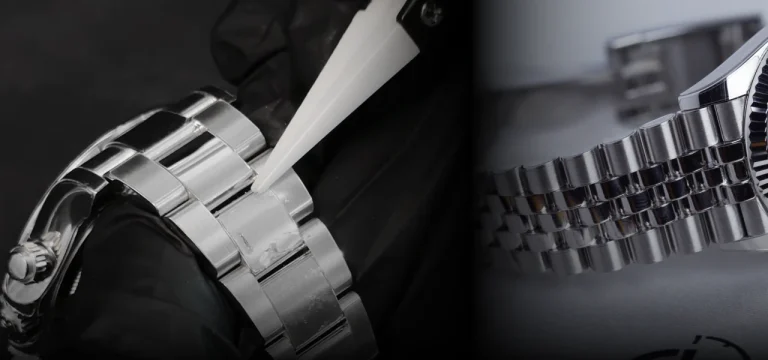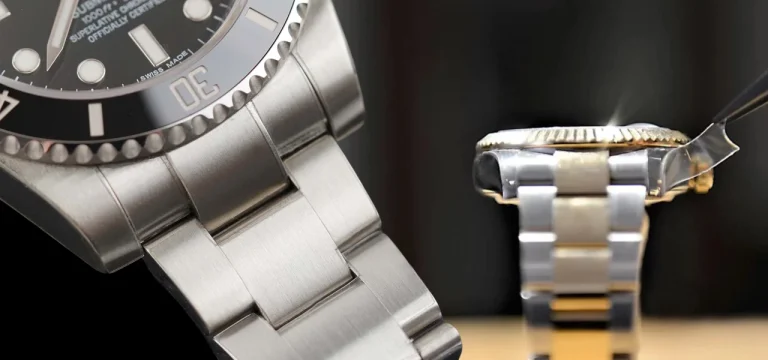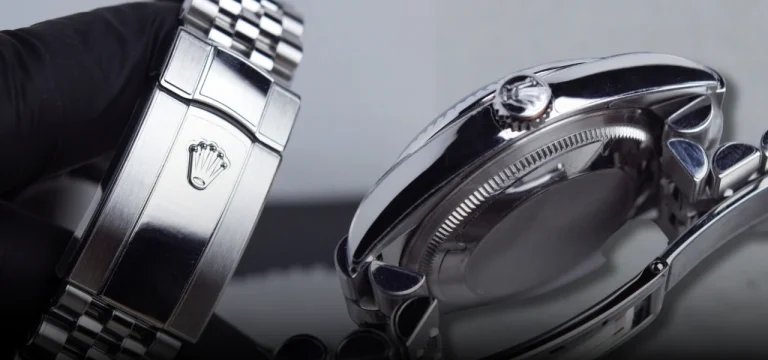


No. Properly installed watch protection film does not normally affect watch accuracy. The film covers external surfaces such as the case, bezel, crystal, bracelet and clasp, while the movement that regulates timekeeping operates inside the watch case.
If a watch starts gaining or losing time after film installation, investigate factors that can affect its rate, including magnetism, impact, temperature, positional variation, winding state and movement condition.
What Does Watch Accuracy Mean
Watch accuracy refers to how closely a watch keeps time compared with a reliable reference. A mechanical watch may gain or lose some time during normal use, depending on its movement, position, winding state and wearing conditions.
A change in accuracy means the watch consistently gains or loses more time than its normal or specified rate. Determining the cause requires examining the movement type, operating conditions and recent exposure to factors such as magnetism or shock.
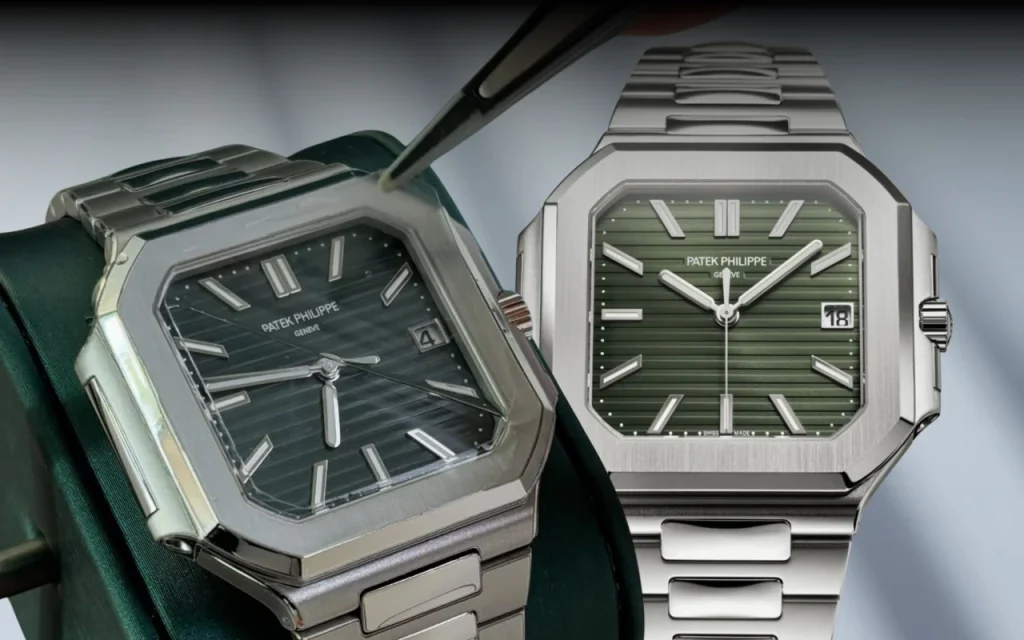
Does Watch Protection Film Affect Mechanical and Quartz Watches Differently
Mechanical and quartz watches regulate time differently, so the causes of abnormal timekeeping also differ. A protective film does not normally alter either timekeeping system when correctly installed on suitable exterior surfaces.
| Movement | How time is regulated | Relevant accuracy factors |
| Mechanical | Mechanical oscillator and escapement | Magnetism, position, shock, movement condition and mainspring state |
| Automatic mechanical | Mechanical movement with automatic winding | The same factors as mechanical watches, plus winding conditions |
| Quartz | Electronic oscillator | Battery condition, electronics, temperature and movement condition |
This distinction matters when diagnosing an accuracy problem. A mechanical watch that suddenly changes rate may require a different investigation from a quartz watch showing abnormal timekeeping.
What Can Actually Affect Watch Accuracy
If your watch starts running faster or slower than usual, there are several possible causes.
Magnetism
Magnetic fields can alter the rate of susceptible mechanical watches by affecting components within the movement. The effect depends on the movement’s construction and magnetic resistance.
A sudden and persistent change in daily rate after magnetic exposure can justify professional testing. A watchmaker can test the watch for magnetism and determine whether demagnetization or further diagnosis is appropriate.
Common exposure sources can include magnetic clasps, speakers and other sufficiently strong magnets. The effect depends on the watch’s design and magnetic resistance, so exposure does not affect every watch in the same way.
Temperature
Significant temperature changes can affect how a mechanical watch keeps time. Watches operate within manufacturer-specified conditions, and exposure outside those conditions may affect rate performance.
Impact or Shock
A strong impact can affect the movement and may cause a watch to start gaining or losing time.
This can happen after dropping the watch, knocking it against a hard surface or experiencing another significant impact. Protective film can help reduce cosmetic marks from everyday contact, but it is not designed to protect the movement from shocks.
Position
Mechanical watches can show small differences in accuracy depending on their position. For example, a watch may run slightly differently when it is lying flat compared with when it is resting on its side.
This is a normal consideration with mechanical timepieces and is unrelated to protective film.
Winding Level
The winding state of a mechanical watch can also influence its rate. Depending on the movement, its rate may vary slightly at different levels of mainspring tension.
This is a characteristic of mechanical timekeeping rather than an effect caused by protective film.
Movement Condition and Servicing
The condition of the movement also plays an important role. As a watch ages, its performance can change due to wear and other internal factors.
If a watch develops a noticeable accuracy issue, having it checked by a qualified watchmaker is more useful than removing the protective film first.
Can Watch Protection Film Affect a Watch’s Exposure to Magnetism
Watch protection film does not provide magnetic resistance; a watch’s resistance to magnetic fields depends on its design and specifications.
If a watch starts gaining or losing time after exposure to a strong magnetic field, the movement itself should be checked rather than assuming the protective film is responsible. Magnetism can affect some mechanical watch components and cause noticeable changes in accuracy.
Can Protection Film Affect Automatic Winding or Power Reserve
Properly installed watch protection film does not normally affect automatic winding or power reserve. Both functions depend primarily on components within the mechanical movement rather than protective material applied to suitable exterior surfaces.
Automatic winding transfers energy from wrist movement to the watch’s mainspring through the winding mechanism. Power reserve describes how long the movement can continue operating using its stored energy.
If an automatic watch stops winding normally or its running duration decreases noticeably, investigate the winding system, movement condition and wearing or winding habits rather than assuming exterior protection film caused the change.
Does Watch Protection Film Affect COSC-Certified Watch Accuracy
Properly installed exterior protection film does not normally change the regulated rate of a COSC-certified movement. COSC certification evaluates chronometer performance under defined testing criteria, while protection film does not regulate the movement.
If a COSC-certified watch develops a noticeable change in timekeeping, the movement should be assessed to determine the cause rather than assuming the film is responsible.
Does Watch Film Thickness Affect Watch Accuracy
The thickness of watch protection film does not normally affect accuracy. Although the film adds a thin protective layer to the exterior, it does not interfere with the movement or the components responsible for timekeeping.
What matters more is where the film is applied and how precisely it is fitted. Film should not obstruct the crown, pushers, clasp or other functional parts of the watch.
For this reason, a properly cut and installed film can provide additional protection without changing the way the watch operates.
What If My Watch Becomes Inaccurate After Film Installation
If your watch begins gaining or losing more time than usual after film installation, identify the timing pattern and recent operating conditions before attributing the change to the film.
| What you notice | Possible cause | What to do |
| Watch gains or loses time suddenly | Magnetism or impact | Have the watch checked |
| Watch changes slightly depending on position | Normal positional variation | Monitor over several days |
| Watch runs differently after prolonged heat exposure | Temperature | Allow it to return to normal conditions and monitor |
| Watch stops earlier than usual after being fully wound | Winding or movement issue | Have the watch checked |
In most cases, the film is unlikely to be responsible. Consider whether the watch has recently been exposed to a strong magnetic field, significant temperature changes or an impact instead.
If the change in accuracy continues or is noticeably outside the watch’s normal performance, have the watch checked by a qualified watchmaker. There is generally no need to remove the protective film simply because the watch has developed an accuracy issue.
How to Tell If Your Watch’s Accuracy Has Changed
If you suspect your watch is running faster or slower after film installation, monitor it for several days before assuming there is a problem. Mechanical watches can naturally show small variations in timekeeping depending on their position, winding state and daily wearing conditions.
Compare the watch with a reliable time source over several days and note whether it consistently gains or loses time. This gives a more useful indication of its accuracy than checking it at a single point in time.
If the watch continues to gain or lose noticeably more time than usual, a qualified watchmaker can test its accuracy and determine whether the movement needs adjustment or servicing.
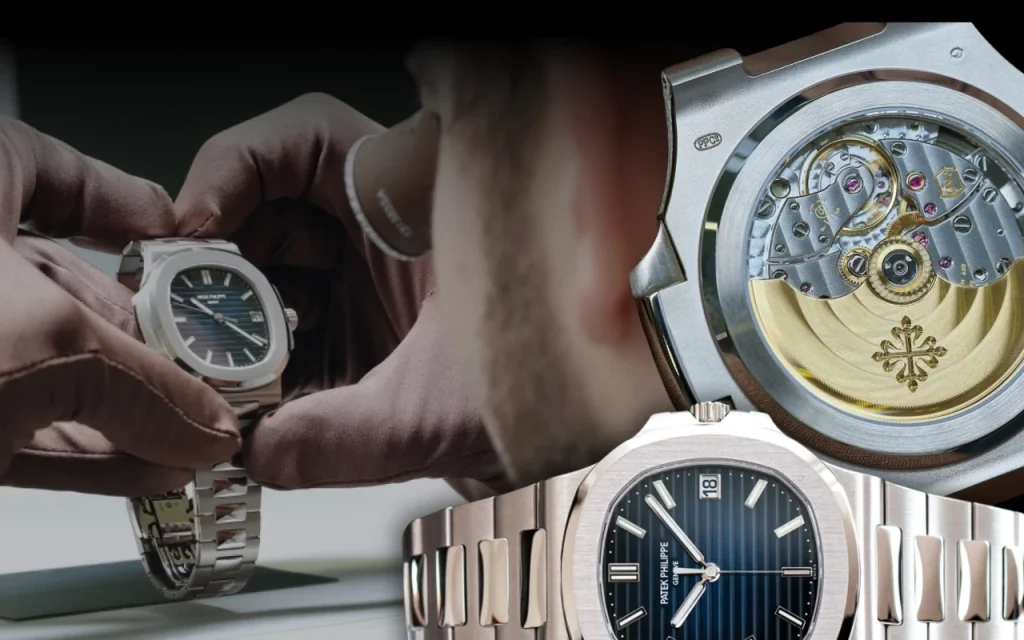
Can Watch Protection Film Affect Watch Accuracy Tests
Protection film does not normally affect a routine measurement of how much time a watch gains or loses. A watchmaker can compare the watch’s rate against an appropriate reference and investigate movement-related causes when performance falls outside the expected range.
Film may need removal when it covers an area required for inspection, adjustment or servicing. In that situation, removal provides physical access; it does not correct the rate itself.
When Should You Have the Watch Checked
A small variation in timekeeping does not automatically mean something is wrong. Mechanical watches are not expected to keep time perfectly, and the acceptable range varies by movement and manufacturer.
However, a noticeable or sudden change in accuracy is worth checking, particularly if the watch has also experienced an impact, strong magnetic exposure or other unusual conditions.
If you are concerned, a qualified watchmaker can assess the watch’s performance and determine whether servicing or adjustment is needed.
Can Incorrect Film Installation Affect Watch Operation
Incorrectly installed film can interfere with external watch operation when material obstructs or restricts a functional component. Correct installation therefore requires precise fitment around moving parts, openings, edges and controls.
Depending on the watch, relevant components can include the crown, pushers, rotating bezel, clasp and bracelet articulation points.
This distinction separates watch operation from watch accuracy: poor fitment may obstruct an external component without directly changing the movement’s regulated rate.
Does Removing Watch Protection Film Affect Accuracy
No. Removing exterior protection film does not normally change the movement’s regulated rate. If the watch develops a timing problem after removal, assess the accuracy issue separately.
Can Watch Protection Film Affect Watch Servicing
A watchmaker may need to remove protection film when it covers an area required for inspection, adjustment or servicing. Removal provides access to the relevant component or surface rather than correcting the watch’s rate.
If your watch is due for servicing, it is best to let the watchmaker assess whether the film needs to be removed. The film can be replaced after servicing if needed.
FAQs
1. Can watch protection film make a watch gain time?
Properly installed film is unlikely to make a watch gain time. If the watch starts gaining time, other factors such as magnetism, temperature, position or movement condition should be considered.
2. Should I remove watch film if my watch becomes inaccurate?
Not usually. If your watch develops a noticeable accuracy issue, it is better to have the watch checked rather than assuming the film is responsible.
3. Can heat affect watch accuracy even with protection film?
Prolonged exposure to significant heat can affect a watch’s performance, regardless of whether protection film is installed. The film itself does not normally cause the accuracy change.
Final Word
Watch protection film is designed to protect the exterior of a watch without affecting its timekeeping. When correctly fitted, it should not interfere with the watch’s normal operation.
If your watch starts gaining or losing time, look beyond the film. Magnetism, temperature, impact, positional variation, winding state and movement condition are more relevant factors to consider.
Key Takeaways
- Properly installed watch protection film does not affect timekeeping accuracy.
- Magnetism, temperature, impact, positional variation, winding state and movement condition can all affect accuracy.
- Protection film can help reduce micro-scratches and scuffs, but it is not designed to protect the movement from shocks or extreme conditions.
- A noticeable or sudden change in accuracy should be checked by a qualified watchmaker rather than automatically attributed to the film.
Proper installation helps watch protection film fit correctly without interfering with the watch’s functional or moving components. At Watchskins, we provide professional watch film installation to ensure the film is precisely applied to suitable watch surfaces without restricting the normal functionality of your luxury watch.