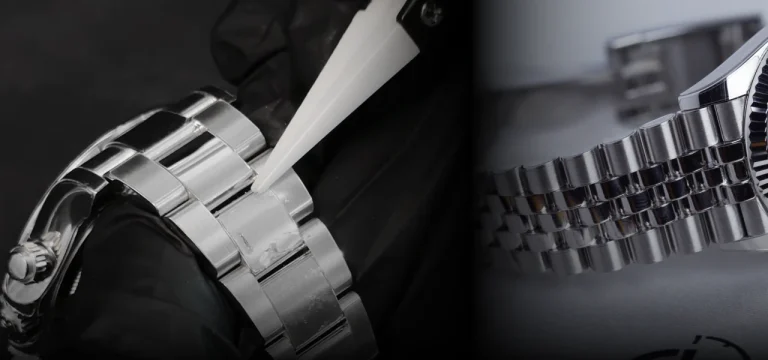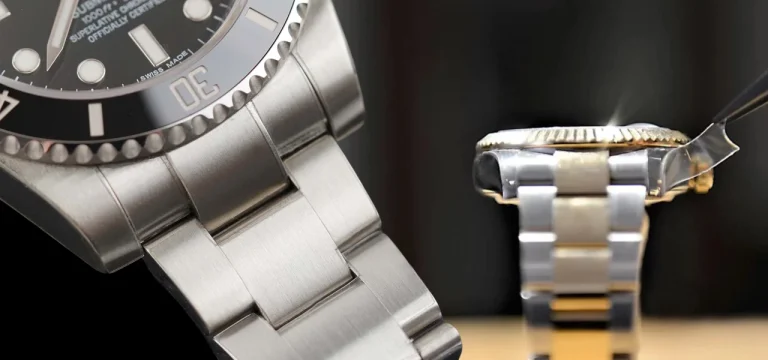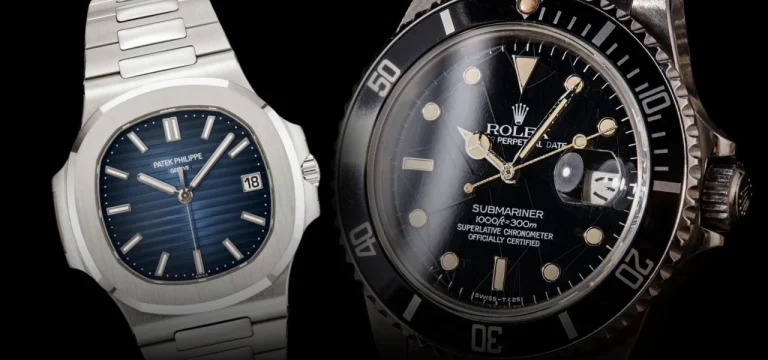


One careless brush against a desk is all it takes. Hairline scratches, clasp scuffs, bezel marks, and bracelet wear from daily use leave their mark on a luxury watch over time, which is why watch protection film has become a consideration for Rolex owners and collectors alike.
Most discussions stop at whether to apply the film. The more practical question is how much coverage actually makes sense for how you wear your watch.
Full coverage protects every high-contact surface. Partial coverage targets the areas most likely to take damage while leaving the rest of the watch untouched. Neither is universally better. The right choice depends on your lifestyle, your watch, and what you are trying to protect against. This guide breaks down both options so you can make that call with confidence.
What Is a Watch Protection Film
Watch protection film is a thin, transparent layer designed to protect luxury watches from daily wear and tear without significantly changing the look of the watch itself. Most modern watch protection films are made from TPU (Thermoplastic Polyurethane), a flexible material known for its self-healing properties. Minor scratches and surface marks on the film can gradually fade over time with heat and regular use.
Most premium TPU watch protection films range between 150–200 microns thick and use elastomeric polymers that help minor surface scratches fade with body heat, sunlight exposure, or warm environmental conditions. Higher-quality films also include hydrophobic coatings that help reduce fingerprint buildup and improve surface clarity during daily wear.
A high-quality watch protection film helps reduce hairline scratches, swirl marks, surface abrasion, fingerprint buildup, and clasp scuffs that naturally occur during daily wear. This is especially useful for polished watches like the Rolex Daytona, where scratches and polishing can affect long-term appearance and resale potential.
Unlike temporary factory transport stickers, professionally installed aftermarket PPF for watches is designed for long-term protection. Premium protection films are nearly invisible, precision-cut for each watch model, and removable without leaving residue on your timepiece when properly installed and removed.
What Is Full Watch Protection Film Coverage
Full watch protection film coverage refers to a complete wrap designed to protect nearly every exposed surface of the watch. Depending on the watch model and installer, this usually includes the bezel, lugs, case sides, crown guards, caseback, bracelet links, and clasp. Some protection films also include crystal protection, although this depends on the product and installer.
This type of watch protection is especially popular among Rolex sports watch owners, daily wearers, and collectors who want to maintain strong resale value over time. It is also commonly chosen for highly polished watches and models with polished center links that are more vulnerable to scratches and swirl marks during daily wear.
The main advantages of full coverage include:
- Maximum surface scratch protection across most of the watch
- Better preservation of polished surfaces
- Consistent protection against wear and tear
- Greater peace of mind during daily wear
- Reduced worry while travelling, working, exercising, or on vacation
That said, appearance is still an important consideration. High-quality TPU protection films are designed to be nearly invisible, but slight edge visibility may appear depending on the film quality, installation quality, and lighting conditions. Professionally installed watch protection films usually provide the cleanest and most discreet finish.
What Is Partial Watch Protection Film Coverage
Partial watch protection film coverage focuses only on the areas of your watch that are most exposed to scratches and daily wear. Instead of wrapping the entire watch, the film is applied selectively to high-contact surfaces such as the clasp, bezel, bracelet center links, case sides, or other vulnerable areas, depending on the watch model and lifestyle of the wearer.
Many watch owners prefer partial coverage because it offers a more subtle approach to watch protection. Common reasons include:
- Lower cost compared to full coverage
- Minimal visual impact on the watch
- Easier cleaning and maintenance
- Preserves more of the natural “bare watch” feel
- Targets only the areas most prone to scratches and surface marks
This approach is especially popular among desk workers looking to prevent clasp scratches, owners protecting polished center links on a Rolex, and vintage watch collectors who prefer not to fully wrap their timepieces. Occasional wearers may also choose partial coverage since their watches face less daily wear and tear.
However, partial watch protection does come with trade-offs. Areas without protection film remain exposed to scratches, which can lead to uneven wear over time. Compared to full coverage, it also offers less comprehensive preservation for long-term appearance and resale value.
Full vs Partial Watch Protection Film Coverage: Key Differences

Choosing between full and partial watch protection film coverage ultimately comes down to how you wear your watch, how much protection you want, and how important aesthetics are to you. Some watch owners prioritise maximum protection and resale preservation, while others simply want to reduce scratches on high-contact areas like the clasp or bracelet.
Full coverage offers more complete protection for your watch by covering nearly every exposed surface. Partial coverage takes a more minimal approach by protecting only the areas most vulnerable to daily wear and tear. Neither option is universally better. The right choice depends on your lifestyle, watch model, and personal preferences.
| Factors | Full Coverage | Partial Coverage |
| Protection Level | Protects most exposed surfaces of the watch, including bezel, lugs, bracelet, clasp, and case sides | Protects only selected high-contact areas |
| Appearance | Slight film edges may be visible depending on lighting and installation quality | Minimal visual impact and more natural appearance |
| Cost | Higher cost due to more material, installation time, and complexity | More affordable and budget-friendly |
| Longevity | Depends on film quality, daily wear habits, and environmental exposure | Also depends on usage and film quality |
| Resale Value Preservation | Helps maintain overall cosmetic condition of the watch | Mainly protects specific wear-prone areas |
| Daily Wear Experience | Greater peace of mind during travel, office wear, and daily use | Keeps more of the original “bare watch” feel |
High-quality TPU protection films are designed to last for years under proper conditions. However, factors like humidity, heavy daily wear, frequent impacts, and installation quality can affect how long the film maintains its appearance over time.
Which Parts of a Watch Scratch the Most
Not all parts of a watch experience wear at the same rate. Some areas come into contact with surfaces far more often during daily wear, making them more vulnerable to scratches and surface marks over time.
- Clasp: One of the most commonly scratched areas on watches. Desk rash from resting your wrist on tables and repeated keyboard contact can quickly leave visible marks.
- Bracelet Center Side Links: Highly polished center links, especially on models like the Rolex Daytona, tend to show hairline scratches very easily.
- Bezel: Constant exposure to door frames, table edges, and accidental knocks makes it one of the most exposed areas on the watch.
- Case Sides: Light brushing against walls, bags, or hard surfaces can gradually affect the watch’s finish.
- Crystal: Sapphire crystal is highly scratch-resistant, but it can still develop marks under certain conditions.
This is exactly why many watch owners start with partial watch protection film coverage before deciding on full protection later on.
Why Professional Watch Protection Film Installation Matters
Not all watch protection films deliver the same results. Poorly fitted or generic film kits can create more problems than protection, especially on luxury watches with complex case shapes and polished surfaces. When the film does not fit properly, exposed edges and lifting corners can appear over time, allowing dust and debris to collect underneath the layer.
Other common issues include uneven alignment, visible air bubbles, and reduced visual appeal. On highly polished watches, poorly installed film can become more noticeable under direct lighting and affect the overall appearance of the watch.
This is why precision-cut watch protection film matters. High-quality films designed specifically for each watch model provide better edge alignment, a cleaner finish, longer durability, and a lower risk of peeling during daily wear.
Additionally, professional and experienced installers can achieve a more accurate fit, cleaner application, and reduced contamination during installation, helping the protection film remain discreet and durable over time. At Watchskins Singapore, each watch protection film is precision-cut for specific watch models and carefully installed to maintain the original appearance and feel of your timepiece as closely as possible.
Does Full Watch Protection Film Coverage Affect the Look
For many watch owners, appearance is the biggest hesitation when considering full watch protection film coverage. Modern TPU protection films are designed to be low-visibility on wrist during daily wear, especially with professional installation.
Still, no protection film is completely invisible. Under certain lighting, slight edge lines may appear around the bezel, lugs, or bracelet. Depending on the film type, metallic reflections may look marginally softer, and crystal film can slightly affect clarity from specific angles.
This is where film quality and installation matter most. A precision-cut, professionally installed watch protection film will sit more cleanly against the watch’s surfaces, making it far less noticeable over time.
Ultimately, it comes down to personal preference. Some collectors prefer the untouched feel of a bare watch, while others are comfortable with subtle trade-offs in exchange for better long-term cosmetic preservation.
Should You Choose Full or Partial Watch Protection Film Coverage
The right watch protection film coverage depends on how you wear your watch, what you want to protect, and how much preservation matters to you over time. There is no universal answer. What works for a daily-worn Rolex sports model may not suit a vintage dress watch or occasional wearer.
Full coverage is usually the better choice if:
- You wear your watch daily
- Your watch has highly polished surfaces
- You travel frequently
- You care about long-term resale value
- You own a modern Rolex sports watch
- You want maximum peace of mind against scratches and wear
Partial coverage may make more sense if:
- You mainly want clasp protection
- You wear your watch occasionally
- You prefer the natural feel of a bare watch
- You own vintage or sentimental timepieces
- You want a more subtle and cost-effective solution
Some watch owners also take a hybrid approach instead of choosing one extreme. Common combinations include:
- Clasp and bracelet protection, especially for watches with polished center links. These areas tend to collect hairline scratches quickly from desk contact, typing, and daily movement.
- Bezel and clasp coverage since the bezel is more exposed to accidental knocks against tables, doors, and hard surfaces.
- Protecting only high-contact zones allows watch owners to experience the benefits of a watch protection film without fully wrapping the entire watch.
Final Word
Choosing between full vs partial watch protection film coverage ultimately comes down to your lifestyle, watch model, and personal priorities. Some watch owners want maximum protection and resale preservation, while others prefer subtle coverage focused only on high-contact areas.
Key Takeaways
- Full coverage offers maximum protection. It is ideal for daily wearers, polished watches, and owners focused on long-term resale value and cosmetic preservation.
- Partial coverage prioritises subtlety and practicality. Protecting high-contact areas like the clasp or bezel helps reduce scratches while maintaining the natural feel of the watch.
- Film quality and installation matter just as much as coverage. A precision-cut, professionally installed watch protection film looks cleaner, lasts longer, and remains far less noticeable over time.
Watchskins Singapore uses precision-applied watch protection films designed to help preserve your luxury watch while maintaining its original look and feel as closely as possible. Protect your watch today to maintain its original condition over time.