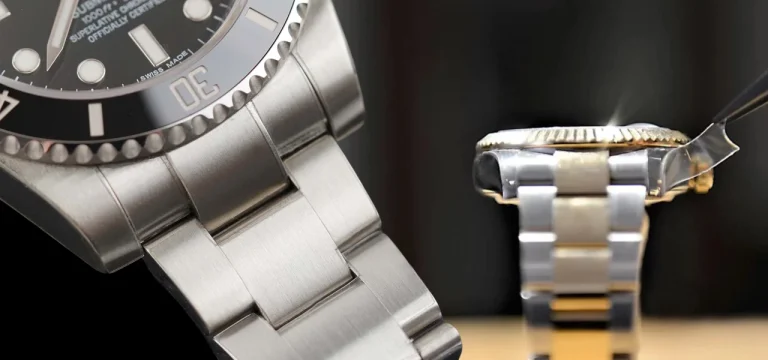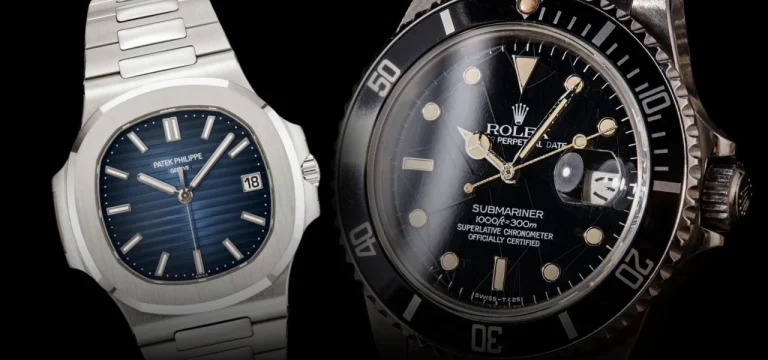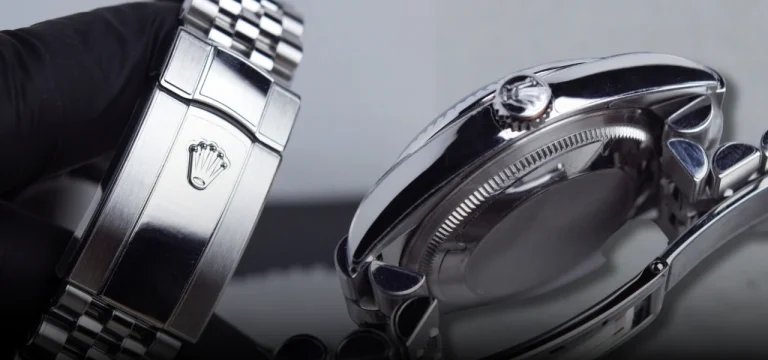


Watch protection film is designed to protect a watch from everyday scratches and cosmetic wear. But if you plan to authenticate your luxury watch, you may wonder whether having film installed could affect the process.
The short answer is generally no. Clear protection film keeps most visible watch details observable, but an authenticator may need direct access to a specific marking, engraving or surface when the film affects close inspection.
This guide explains how watch protection film relates to authentication, which details may need closer inspection, and what to know before presenting a protected watch for authentication. As a protection film installer, Watchskins has a commercial interest in this question, so this guide focuses on what film can and cannot obscure and where an authenticator may still need direct access.
Can a Watch Be Authenticated With Protection Film On
A watch can generally be presented for authentication with protection film installed. Having film on the watch does not automatically prevent an authentication inspection.
Authentication can involve examining characteristics such as the dial, hands, bezel, case, bracelet, markings and engravings. Depending on the watch and authentication service, the movement or internal components may also be inspected.
Because protection film is an external layer applied over selected surfaces, it does not replace or alter the underlying watch components. Clear film can leave many exterior details visible, although its clarity, condition and placement can affect close inspection.
The important distinction is that protection film protects the watch, while authentication evaluates the watch itself.
When an Authenticator Needs Direct Access
An authenticator may still need closer access to a specific area. This could include:
- Serial number
- Reference marking
- Engraving
- Case surface and finishing
- Case edge or lug geometry
- Another reference-specific characteristic
If that happens, the authentication provider can advise whether a particular section of film needs to be removed. Avoid removing the entire film installation unless the provider requires it.
If a section does need to come off, follow the film manufacturer’s, installer’s or authentication provider’s removal instructions rather than using sharp or metal tools around the watch surface.
What Does an Authenticator Check on a Watch
Authentication typically considers the watch as a whole rather than relying on one visible feature or marking.
Depending on the watch and authentication service, an authenticator may examine:
- Dial printing, markers and hands
- Bezel design and markings
- Case shape, proportions and finishing
- Serial and reference markings
- Engravings and other identifying details
- Bracelet, clasp and end links
- Movement and internal components where applicable
- Reference-specific characteristics
The goal is to determine whether the watch’s components, construction and identifying details are consistent with the claimed model or reference.
A serial number, warranty card or visible engraving should therefore be considered alongside the physical characteristics of the watch rather than treated as the sole basis for authentication.
The box and papers are also checked as part of that process. A serial number used in a database check has to be read accurately, which is one reason film coverage over identifying markings can matter.
Protection film does not change these underlying characteristics. It can only affect how clearly certain covered characteristics can be examined.
Can Protection Film Cover Important Authentication Details
Clear protection film can preserve the visibility of many exterior watch details. Whether an authenticator can adequately examine a covered feature depends on the watch, film coverage, film condition and inspection method.
What Can Affect Visibility
The exact visibility depends on:
- Location of the marking or surface
- Film coverage
- Film clarity and condition
- Watch model
- Lighting
- Surface finish
- Inspection method
For example, clear film over a polished case may leave the case shape visible while changing how light reflects from the surface. Bubbles, haze, scratches, lifting edges or contamination can further reduce visibility during close inspection or photography.
If a Detail Cannot Be Inspected Clearly
If an authenticator cannot clearly examine a specific feature, they can request:
- Additional photographs
- Closer access
- Removal of the relevant section
Protection film therefore does not change the authenticity of the watch. The relevant question is whether the authenticator can adequately examine the characteristics required for the inspection.
Can an Authenticator See Through Watch Protection Film
Many exterior watch details remain visible through clear protection film. Dial details, hands, bezel markings and other visible characteristics may therefore remain observable with film installed.
Factors That Affect Visibility
Visibility can vary depending on:
- Film clarity
- Film coverage
- Lighting conditions
- Film condition
- Location of the detail
- Watch model and protection pattern
Clear, correctly fitted film should leave the underlying surface visible. However, reflections, haze, scratches, bubbles or lifting edges can affect close visual inspection or photography.
This matters particularly for remote authentication, where photographs may be the primary material available to the authenticator.
Can Protection Film Cover a Serial or Reference Number
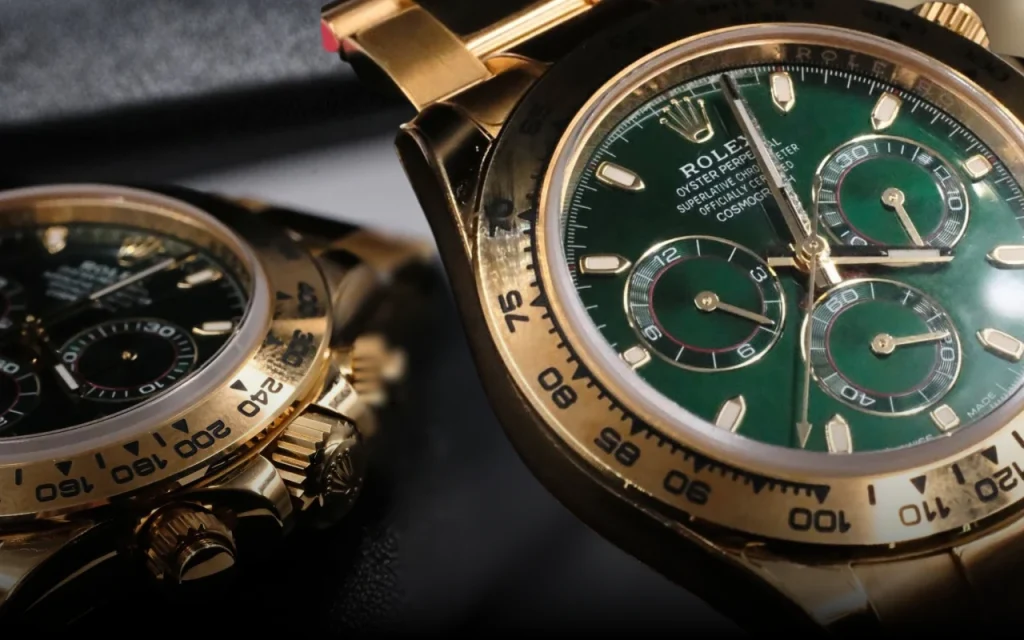
Depending on the watch and film pattern, protection film may sit over an exterior serial number, reference marking or engraving.
Clear film may leave the marking readable, but direct access can still be required when the authentication provider needs to examine the marking without an additional layer over it.
Marking locations vary between brands, models and production periods. On Rolex watches, the serial number was engraved between the lugs at 6 o’clock until around 2005, when Rolex began adding it to the rehaut, the inner ring between the dial and crystal, and the lug engraving was phased out by around 2008. The older lug engraving is normally hidden by the bracelet and can only be read once the bracelet is detached. On a modern Rolex, the serial therefore sits beneath the crystal, where only a crystal film would lie over it.
Audemars Piguet has traditionally engraved its case number on the caseback, and the original Royal Oak 5402 also carries a small “Royal Oak No” on the caseback. On watches like these, case-back film can sit directly over identifying markings.
Before authentication, it is useful to know whether film covers any serial, reference or other identifying markings on your watch. If unobstructed access is required, follow the provider’s instructions for the relevant area rather than removing the entire installation in advance.
Does Watch Protection Film Affect Movement Authentication
Protection film is applied to exterior watch surfaces, so it does not touch or alter an internal movement.
On watches with a display case back, however, film applied over the case-back crystal sits between the viewer and the movement. Haze, bubbles, scratches or reflections can therefore affect photographs or visual examination through the crystal.
If movement inspection is part of the authentication process, the exact procedure depends on the watch and authentication provider.
Why Movement Inspection Can Matter
Movement inspection may help determine whether the calibre, construction, components and finishing correspond with the claimed watch reference.
Exterior protection film does not change those internal characteristics.
If the Watch Needs to Be Opened
If authentication requires the watch to be opened, use an appropriately qualified professional or follow the procedure specified by the authentication provider.
Owners should not attempt to remove case components or open the watch simply because protection film is installed.
Does Watch Protection Film Affect Vintage or Neo-Vintage Authentication
Vintage and neo-vintage watches can require detailed examination because dial variants, hands, bezels, bracelets, engravings and other characteristics may differ according to production period, reference and configuration.
What May Be Examined
An authenticator may assess details such as:
- Dial
- Hands
- Bezel
- Case
- Bracelet
- Clasp
- Engravings
- Reference-specific characteristics
- Overall case finishing
The condition and finishing of the case can also be relevant when assessing an older or collectible watch.
How Protection Film Relates to Originality
Protection film sits over the existing surface rather than replacing an original component. It can, however, change how a covered surface appears under light.
An authenticator assessing case finishing, polishing, surface condition or other fine details may therefore require an unobstructed view of a specific area.
Why Vintage Watches Require Extra Care
Vintage watches can require additional care because condition and originality may contribute to their assessment and collector interest.
Avoid unnecessary polishing, refinishing, aggressive cleaning or other alterations before an assessment because these actions can change the surfaces being examined.
Polishing is a clear example. It is not automatically harmful, but each pass removes a thin layer of metal, and a poor polish can soften the lugs, bevels and case lines that define a watch’s original shape.
For an older or valuable watch, follow the authentication provider’s requirements before changing its existing condition.
Does Watch Protection Film Affect Case Condition Assessment
Yes, potentially. Protection film may have a greater effect on detailed condition assessment than on basic visibility during authentication.
Authentication asks whether the watch and its characteristics correspond with the claimed identity or reference. Condition assessment examines characteristics such as scratches, polishing, surface finishing, case edges and wear.
Protection film does not replace or reshape the underlying case. However, the additional transparent layer can change reflections across polished and brushed surfaces, making some condition characteristics harder to assess directly. Light marks visible on a protected watch may also sit in the film rather than on the metal, so an assessor may need to see the surface directly to tell the two apart.
What May Be Assessed
This can be particularly relevant when assessing:
- Case polishing
- Brushed and polished transitions
- Scratches and marks
- Lug shape and proportions
- Case edges
- Surface finishing
A well-fitted film can follow the contours of the case while still affecting how the underlying surface reflects light.
If a detailed condition assessment requires an unobstructed view, the authenticator can advise whether a specific section needs to be removed.
Why Condition Assessment Matters for Resale Value
In the pre-owned market, case condition is one of the biggest factors in a watch’s price. Unpolished cases with original factory geometry often command a premium on vintage pieces. A buyer or dealer grading a protected watch for sale may therefore want to view key areas without film before agreeing on its condition.
Can Watch Protection Film Make a Fake Watch Look Genuine
No. Watch protection film cannot make a counterfeit watch authentic because it does not change the watch’s movement, construction, components or identifying characteristics.
Film can affect the visibility of a covered feature, but authentication evaluates the underlying watch.
Does Watch Protection Film Need to Be Removed Before Authentication
Generally, no. There is usually no reason to remove the entire film installation automatically before presenting a watch for authentication.
Instead, let the authentication provider determine whether a particular covered area requires direct examination.
A little preparation still helps, and the steps below explain what to do before your appointment.
How Should You Prepare a Watch With Protection Film for Authentication
1. Know Where the Film Is Installed
Coverage varies by watch model and protection package. Knowing which areas are protected makes it easier to identify surfaces that may require closer inspection.
2. Tell the Authenticator About the Film
Let the authentication provider know that protection film is installed. This allows the provider to account for the film during inspection.
3. Follow the Inspection Requirements
If the provider needs direct access to a particular marking or surface, follow its instructions rather than removing unrelated sections.
4. Keep the Watch in Its Existing State
Avoid unnecessary changes before authentication. Do not alter components, polish surfaces or aggressively clean delicate areas simply to prepare the watch for inspection.
5. Bring Supporting Documentation
If available, bring relevant purchase records, service records, warranty documents, box and papers.
These materials can provide provenance and service-history context, but they do not replace examination of the watch itself.
Can Watch Protection Film Affect Photos Used for Authentication
Protection film does not change the authenticity of a watch. However, reflections, haze, bubbles, scratches or contamination on the film can sometimes make a covered detail less clear in photographs.
This distinction matters for remote authentication because the assessor relies on the submitted images to examine visible characteristics.
For Clearer Images
- Use even lighting to reduce glare.
- Adjust the watch angle to minimize reflections.
- Keep visible surfaces free from dust and contamination.
- Keep requested markings clear and in focus.
- Follow the authentication provider’s required photo angles.
If a required detail is unclear in a photograph, the provider may request another image, a different angle or direct access to the area.
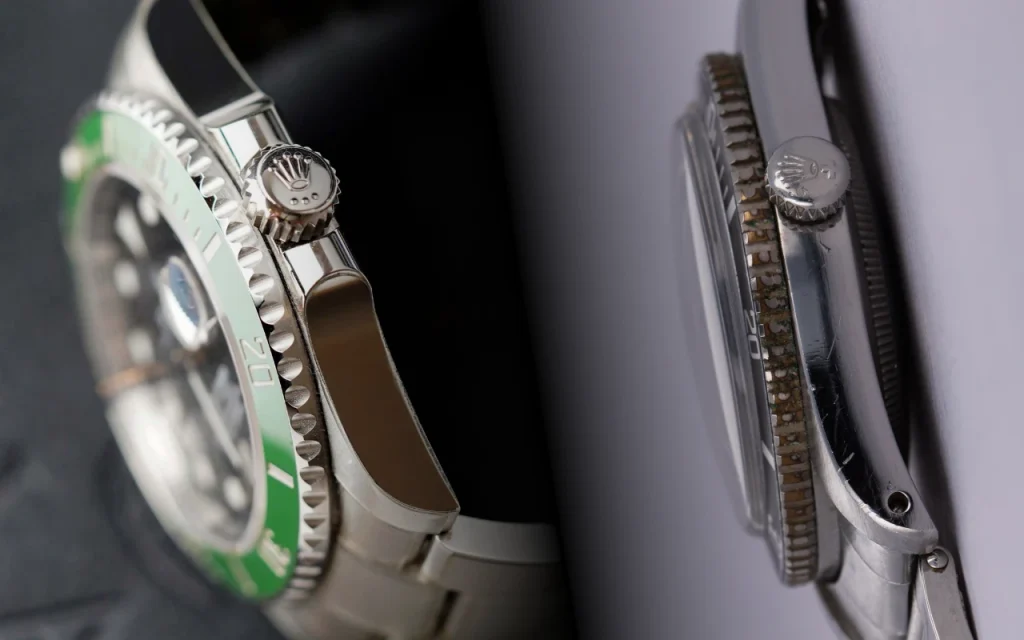
Can the Condition of Protection Film Affect Surface Visibility
Yes. Haze, scratches, bubbles, contamination or lifting edges in protection film can make the underlying surface harder to examine clearly.
This is particularly relevant when assessing exterior condition and finishing, including polished surfaces, brushed surfaces, scratches, case edges and finishing transitions.
Clear film in good condition leaves the underlying surface easier to view. However, an assessor may require an unobstructed view when examining fine surface condition or finishing.
Does Watch Protection Film Count as an Aftermarket Modification
Protection film is an aftermarket accessory applied over existing watch surfaces. It differs from an aftermarket replacement component because it does not replace the original case, bracelet, clasp, dial or movement.
For authentication, the relevant question remains whether the underlying watch and its components correspond with the claimed model or reference.
Protection Film vs. Component Replacement
Protection film covers an existing component.
A replacement component takes the place of another component.
This distinction matters because authentication evaluates the underlying watch configuration rather than treating a removable exterior protective layer as a replacement watch component.
FAQs
1. Does watch protection film affect authentication?
Generally, no. Clear protection film leaves many watch details visible, but an authenticator may require direct access when film obscures a marking, engraving, surface or other characteristic required for inspection.
2. Can a Rolex be authenticated with protection film on?
A Rolex can generally be presented for authentication with protection film installed. Whether a specific section requires removal depends on the watch, film coverage and authentication provider’s requirements.
3. Do I need to remove protection film before authentication?
Not necessarily. You generally do not need to remove the entire installation before authentication. Follow the provider’s instructions if a specific covered area requires direct access.
Final Word
Watch protection film does not change the authenticity of the underlying watch. A watch can generally be presented for authentication with film installed, although an authenticator may require direct access when a covered marking or characteristic cannot be examined clearly.
Protection film is more relevant to detailed condition assessment because it can change how polished and brushed surfaces appear under light. Film condition, including haze, scratches, bubbles or lifting edges, can also affect surface visibility.
Tell the authentication provider that film is installed and follow its inspection requirements rather than removing the entire installation in advance.
Key Takeaways
- Protection film does not change the authenticity of a watch, although an authenticator may require direct access to specific covered areas.
- Clear, well-fitted film can leave many exterior details visible while protecting the covered surfaces.
- Vintage and valuable watches may require closer examination of case condition, finishing and originality.
For owners who want to protect their timepiece while keeping its original character ready for future inspection, Watchskins offers 3M Premium TPU protection film with model-specific coverage. Protect the watch today while keeping its original character visible for years to come.